A single Dayton number
Bed bug calls from across Dayton use one line.

Dayton's housing is old: the median home was built in 1951, and 64.7 percent of units went up before 1960. More than half of occupied homes, 51.6 percent, are rented, and 28.3 percent of units sit in buildings with two or more units. Ohio State University Extension notes that bed bugs are often found where occupants change often, such as apartments and dormitories, though any building can be infested. Treatment happens all year.
Bed bug calls from across Dayton use one line.
Expect an inspection before any cost is set.
Each call goes to a provider working in Dayton.
Look up the applicator on the ODA's Pesticide Applicator Search.
Dayton's housing is old: the median home was built in 1951, and 64.7 percent of units went up before 1960. More than half of occupied homes, 51.6 percent, are rented, and 28.3 percent of units sit in buildings with two or more units. Ohio State University Extension notes that bed bugs are often found where occupants change often, such as apartments and dormitories, though any building can be infested. Treatment happens all year.

During an inspection, a provider usually works through mattress and box spring seams, bed frame joints, the headboard, couch cushions, baseboards and outlet covers. Some providers use extra detection tools, so ask which ones. By the end you should know where activity turned up, how many rooms it reaches and what the provider recommends next.
See this service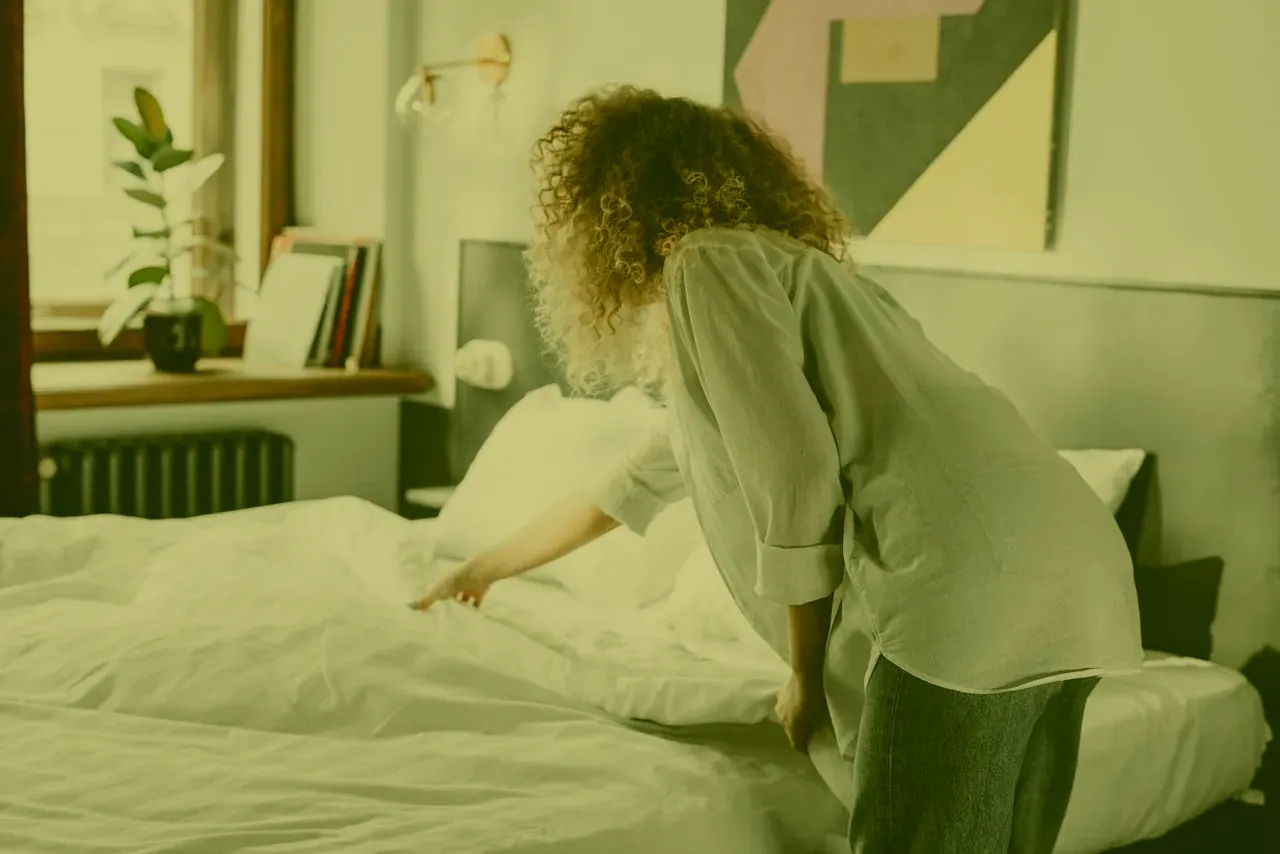
Heat treatment brings a bedroom, or a full house or apartment, to a temperature no stage of the bed bug survives. Before the equipment runs, anything that can melt or be damaged, like candles, medicines, aerosol cans and some electronics, is taken out. The provider supplies the complete list of what to remove.
See this service
Chemical treatment combines products that kill on contact with ones that keep working, applied to seams, joints, cracks and wall voids where bed bugs shelter. Because eggs can live through a single round, a second visit is usual. In Ohio, applicators who treat for hire need an ODA commercial license. Ask what goes where.
See this service
In Dayton, 28.3 percent of housing units are in buildings with two or more units, so apartment work has to account for shared walls. A provider typically starts with the unit where bugs were reported, checks the apartments around it and keeps the owner or manager informed.
See this service
A follow-up visit shows whether the first round worked. Interceptors are checked, beds and furniture are inspected again, and any remaining activity is treated. Ohio State University Extension says more than one treatment is often needed, so agree on the date and scope of the return visit early.
See this serviceA provider works bed by bed, then moves on to the couch, chairs and baseboards, looking for eggs, nymphs, adults, cast skins and spotting. Before anything is booked, have the provider show you the evidence and list the rooms involved.
Wash bedding and clothes and dry them hot, bag what is clean, clear clutter and pull furniture from walls. Do not carry things to another room or a neighbor's place, do not set off foggers, and keep the mattress until it is inspected. The provider's preparation sheet always takes precedence.
The provider then carries out heat, chemical work or both. Afterward, interceptor cups under the legs of beds and sofas catch bugs that are still moving and show whether a hiding spot was missed.
Ohio State University Extension notes infestations often take more than one treatment. Confirm the return date, what gets checked then and whom to call if bites start again, and leave covers and interceptor cups in place until the provider says otherwise.
Each provider works a little differently, but most follow this order. Before booking, ask the provider to go through each step, including what you must prepare and when the return visit will be.
Bed bugs keep biting while you hunt for someone to call. Dayton callers can use one number here; the call is passed to an independent company covering that ZIP code, and whether to book stays entirely with the caller.
Before work starts, ask for the applicator's Ohio pesticide license number and check it on the Ohio Department of Agriculture's Pesticide Applicator Search. Bed bug work falls under category 10a, General pest control. This site does not license, vet or endorse any provider.
Ask to see the proof behind any plan: live insects, eggs, cast skins or dark spotting on the mattress seams, and the rooms where each turned up. When the search finds nothing, a fair question is what else could be causing the bites, asked before any money changes hands.
The line connects callers from 45402, 45403, 45410, 45423, 45428 and 45469, plus Dayton addresses in 45404, 45405 and 45406, 7 a.m. to 1 a.m. Eastern Time (8 a.m. to 2 a.m. during daylight saving time).
Look for a provider that inspects before recommending anything and builds a follow-up visit into the plan. Before work starts, ask for the applicator's Ohio pesticide license number and check it on the Ohio Department of Agriculture's Pesticide Applicator Search. Also ask how it chooses between heat and chemical work and what preparation you will need to do.
Yes, and it tends to work better when units next to the affected one are checked as well, because bed bugs can move between apartments through walls and outlets. Tell the landlord or manager in writing and keep a copy. Ohio's ORC 5321.04 describes a landlord's duty to keep premises fit and habitable; this is not legal advice.
Usually more than one. Ohio State University Extension says infestations are generally handled by a licensed pest management professional, often with more than one treatment. The provider decides the number after the inspection, based on the method chosen and how established the infestation is.
For heat treatment, usually yes: rooms are heated to levels that kill bed bugs, so people and pets stay out until the provider says it is safe to come back. After chemical work, the provider tells you when you can go back in. Follow the provider's own instructions; Ohio State University Extension fact sheet HYG-2105 has general bed bug guidance.
They can, if a hiding place is missed or new bugs arrive in luggage, bags or secondhand furniture. For that reason many providers leave interceptor cups and schedule a recheck, and mattress encasements help because fresh activity is easier to spot on them. Ask what the provider does if bugs show up again after the plan ends.
Short answers to common questions worth thinking through before calling about bed bugs in Dayton.
Ask the provider you reachDialing the number sends your call through a call-tracking service, which may record it, to an independent provider that works in Dayton. Lines are open 7 a.m. to 1 a.m. Eastern Time (8 a.m. to 2 a.m. during daylight saving time), and a call-back request form takes over at other times. Timing and price come from the provider.