A single Dayton number
Bed bug calls from across Dayton use one line.
Bed bug treatment for Walnut Hills, Dayton, OH (45410). One call links you to an independent local provider to talk through heat or chemical options.
Bed bug calls from across Dayton use one line.
Expect an inspection before any cost is set.
Each call goes to a provider working in Dayton.
Look up the applicator on the ODA's Pesticide Applicator Search.
Seeing bites, dark spots or a live bug in a Walnut Hills home is reason enough to pick up the phone. Walnut Hills is one of the official neighborhoods on the City of Dayton's neighborhood map, and it lies in ZIP 45410, which it shares with Twin Towers, the other whole city neighborhood in that ZIP. This website is a referral service, not an exterminator: it has no crews and treats nothing. Your call is passed to an independent local provider who serves Dayton, OH, Walnut Hills included. Any home can get bed bugs, and Ohio State University Extension notes that an infestation is not usually a sign of poor hygiene or bad housekeeping. The bugs come in with luggage, bags, clothing and used furniture. On a first visit, a provider typically looks at mattress seams, the box spring, the headboard, sofa seams and outlet covers before suggesting heat, chemical treatment or a mix of the two. Ask early how return checks and monitoring will work.
Since bed bugs live indoors with people, a Walnut Hills home can pick them up in any month, and providers treat them all year. Calls usually lead to some mix of inspection, heat treatment, chemical treatment, extra planning for apartments and shared buildings, and follow-up visits. Which of those your home needs is for the connected provider to judge. Ohio State University Extension recommends an integrated pest management approach and notes that more than one treatment is often needed. The cards below explain each step for 45410.
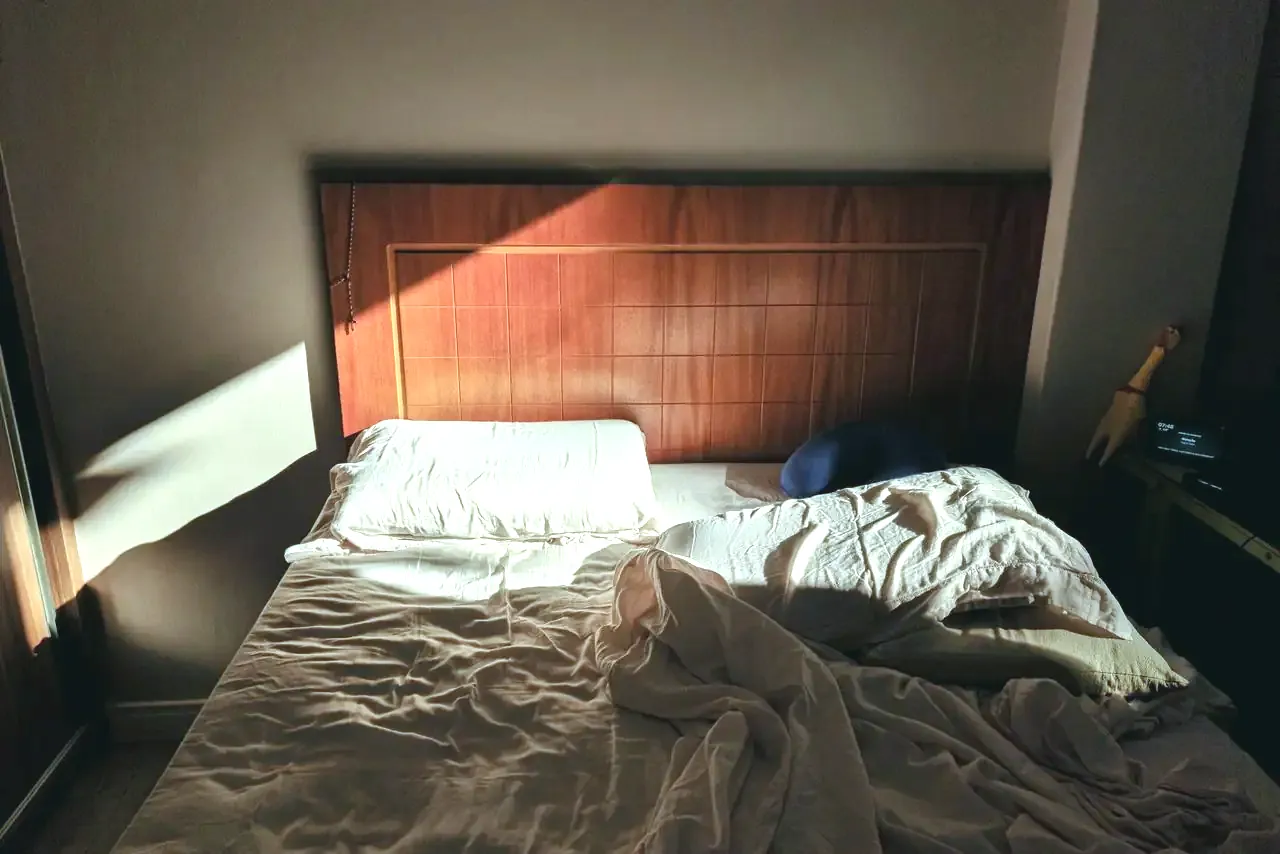
Inside a Walnut Hills home, a provider typically starts at the bed: mattress seams and piping, the box spring, the headboard and the joints of the frame. Then come sofas, chairs, baseboards, outlet covers and anything stored near where people sleep. The provider looks for live bugs, eggs, cast skins and dark spotting, and what turns up decides the plan.
See this service →02With heat treatment, the provider raises a room or a whole home to a temperature that kills bed bugs at every stage, eggs included, and holds it there. Fans push the hot air into upholstery, mattress seams and wall edges, and sensors show where the space is slowest to warm. Things that heat can damage, such as candles, medicines, aerosol cans and some electronics, have to come out first; ask the provider for the full list.
See this service →03Where heat is not practical, a provider may work residual and contact products into cracks, crevices, bed frames and wall voids. A first round can leave some eggs alive, so chemical plans generally take more than one visit. Ohio State University Extension says infestations usually call for a licensed pest management professional, so set store foggers aside.
See this service →04For an apartment or rented unit in 45410, the landlord or manager usually joins the tenant in planning. Bed bugs can travel between homes, so a provider typically checks the affected unit along with those beside, above and below it. Interceptor cups under the bed legs and mattress encasements may be added to heat or chemical work. Ask how neighboring units fit in.
See this service →05A return visit is how you learn whether the first round worked. Eggs hidden in seams can hatch after treatment, so providers commonly come back after about two weeks to recheck beds, seating and interceptor cups. If bugs are still active, the provider decides the next step. Before booking, ask how many return visits the plan covers and what result counts as finished.
See this service →Here is how a call from Walnut Hills usually unfolds. The referral line connects you with an independent local provider, so have your address or ZIP ready and be able to say whether the home is a house, a duplex or an apartment, which rooms show signs and when you first noticed them. Scheduling, pricing and the treatment plan all belong to the provider, and you can say no. The inspection centers on the bed and the furniture near it, then baseboards and outlets. For heat, heaters and fans are set around the home while the readings in the slowest-warming spots are watched. For chemical work, products go into seams, cracks and voids, often over several visits. Afterward, many providers place monitoring cups beneath the bed legs and schedule a recheck. If your home shares walls, floors or ceilings with others, ask how those units will be handled.
Bed bugs can slip through wall voids, along pipes and around outlet boxes, so a treated unit may still have neighbors with bugs. In Dayton, 19.1 percent of housing units are in buildings with five or more units, and a building that size needs a plan that reaches beyond one door. Expect a provider to look at the units connected to the affected one and possibly treat voids and outlets. Tenants should report signs to the landlord in writing.
With 51.6 percent of Dayton's occupied homes rented, people move in and out across the city throughout the year, and every move carries boxes, mattresses and couches through doorways. The University of Dayton ZIP, 45469, also lies inside the city. Bed bugs can ride along with any of it. Check the seams, joints and underside of any used piece before it comes in, and leave curbside mattresses where they are. A provider can say whether an infested item can be treated.
No time of year makes bed bugs leave on their own; they share the home with people in every month. They hide easily in luggage, bags and clothing, so a hotel stay or a visitor's overnight bag is a common way in. After a trip, open suitcases on a hard floor away from the bedroom, check the seams and run travel clothes through a hot dryer. Cups placed under the bed legs catch bugs on their way to feed.
In Ohio, the Department of Agriculture licenses commercial pesticide applicators who treat other people's property for hire; bed bug work is category 10a, General pest control. Ask for the applicator's license number and check it in ODA's Pesticide Applicator Search.
Ask the provider to name each product, the rooms it will go in and how long everyone should stay out afterward. Raise any health concerns in the home, such as a baby, a pregnancy, asthma or pets, while the plan is still being set.
Four routes account for most bed bug trouble in Walnut Hills, the same as anywhere in Dayton: shared walls, moving, secondhand furniture and travel. The cards below follow each route and the spots a provider checks.
Homes that share a structure are joined behind the drywall. Pipe runs, cable paths and gaps around outlet boxes give bed bugs a way from one unit into the next, so the people next door to an infested home are exposed too. A provider will often want to see the attached units, and may treat voids and outlets in addition to beds and sofas. Monitoring cups set in every unit help show where bugs are still moving. Ask the owner or manager what the plan for the entire building looks like.
Secondhand pieces are an easy ride for bed bugs. A recliner from a garage sale, a dresser found online or a curbside mattress may carry eggs and nymphs hidden in fabric folds, drawer corners and the underside of upholstery. Check every used item with a flashlight, outdoors if you can, before it comes through the door. If something has already brought bugs in, a provider can say whether heat or steam can save it; an encasement protects a new mattress.
Common areas add crossing points. A laundry basket set down in a shared basement, a bag left in a hallway or a sofa carried down the stairs can move bed bugs from one unit to another. Once a single unit is infested and left untreated, it can keep reseeding the rest of the building. Owners and managers do well to bring in a provider early, and tenants should report bites, stains or live bugs to the landlord in writing, with dates, as soon as they notice them.
Detached houses are not off-limits to bed bugs. The bugs usually arrive with a returning traveler, a guest's overnight bag or a used chair or mattress, then spread from the first bedroom to the next. Across Dayton, 85.4 percent of housing units were built before 1980 and the median home dates from 1951, so older trim, flooring and furniture often have gaps for bugs to shelter in. Because bite reactions vary from person to person, an infestation can build quietly. Expect a provider to inspect each bed and sofa and to set a date for a follow-up check.

You will not see prices on this page; the provider sets the cost of bed bug treatment in Walnut Hills after inspecting, and this site plays no part in it. Before quoting, the provider needs to see how far the problem goes: how many rooms have activity, how long the bugs have been settled in and whether a neighboring unit is involved. The size of the house or apartment, the amount of furniture and stored belongings, the method chosen and the number of return visits all change the amount of work. Heat and chemical plans call for different equipment, hours and visit counts. On the call, ask which of these points apply to your home, and read the written plan before agreeing to it.
A studio needs far less time, equipment and product than a large house, and each added room brings more furniture to work through. Providers usually weigh floor area, the number of rooms and how much is in them when they plan.
Bugs found only in one mattress mean a narrower job than bugs spread through several rooms or into a neighboring unit. Heavier activity can call for repeat visits. The inspection is where the provider sizes this up and explains what it changes in the plan and the price.
The two methods differ in gear, labor and visit count. Heat means heaters, fans and sensors for most of a day and, in a prepared room, reaches every life stage. Chemical plans are lighter per visit but often need return trips because some eggs survive. Ask why one suits your home.
Walnut Hills is an official City of Dayton neighborhood on the city's neighborhood map, and it lies in ZIP 45410 together with Twin Towers. Beyond that, this page makes no claims about its streets or landmarks. The cards below stay with verified facts: the ZIP, citywide Dayton housing figures and the Ohio rules that bear on bed bug problems. This site sends no trucks and plans no routes; each call goes to an independent provider who serves Dayton.
ZIP 45410 holds two whole official Dayton neighborhoods, Walnut Hills and Twin Towers. Any home in either, owned or rented, older or newer, can pick up bed bugs, because the bugs travel with people and their belongings. Calls from the ZIP go to an independent local provider.
Calls from Walnut Hills, an official Dayton neighborhood in ZIP 45410, go through this line. Homes there face the usual entry routes: luggage, guests and used furniture. Give your full address.
Dayton's median home was built in 1951, and 64.7 percent of housing units date from before 1960 (ACS 2024 5-year). Gaps along old trim and floors give bugs cover, so owners and renters should check early.
Ohio Revised Code 5321.04 requires a landlord to comply with building, housing, health and safety codes that materially affect health and safety, and to keep the premises fit and habitable. Read the statute for details.
Under Ohio Revised Code 5323.02, owners of residential rental property must file their contact information with the county auditor, which for Dayton is Montgomery County. Read the section itself for what must be filed.
Dayton's Division of Housing Inspection enforces structural maintenance of housing, and housing code violations are reported to the City of Dayton Call Center. Treatment itself is arranged privately.
In Dayton, 28.3 percent of housing units are in buildings with two or more units, and 19.1 percent are in buildings with five or more. Where walls are shared, tell the landlord about any sign right away.
Renters occupy 51.6 percent of Dayton's occupied homes. This line serves tenants and owners alike; give your full street address and ZIP when you call.
Twin Towers is the other whole City of Dayton neighborhood in ZIP 45410, and its calls go through this same line. From either neighborhood, start by writing down what you found and keeping a sealed specimen or a clear photo for the provider.
Calls are connected from Walnut Hills and the rest of ZIP 45410, which it shares with Twin Towers, and from other Dayton neighborhoods such as Burkhardt and Wright-Dunbar. Houses, duplexes and apartments are all included. An independent provider who works in Dayton takes the call, so keep your address or ZIP close.
Walnut Hills, an official City of Dayton neighborhood, lies in ZIP 45410. Whether a home there is owned or rented, the first steps after spotting bed bugs are the same: check the mattress seams and headboard with a flashlight, seal one bug in a bag or jar, and keep bedding where it is instead of carrying it to another room, where it could spread the bugs. The provider who takes your call sets the inspection time.
Burkhardt is an official City of Dayton neighborhood in ZIP 45403. When the home is rented, the landlord and tenant should decide at the outset who books the provider and how access will work. A written report of the signs, with dated photos, gives both sides a record. Expect the inspection to start in the affected home and extend to any unit attached to it.
Twin Towers is an official City of Dayton neighborhood that shares ZIP 45410 with Walnut Hills. Bed bugs behave the same in any building, hiding near beds first and then in seams, trim gaps and furniture joints. The inspection settles whether heat, residual products or both are used. Preparation tends to involve laundering bedding and clothes on high heat, bagging clean items, clearing floors and moving furniture a few inches off the walls.
Wright-Dunbar is an official City of Dayton neighborhood in ZIP 45402. Monitoring cups placed under each bed leg catch bugs climbing up and give a before-and-after picture; ask the provider how to check them. Hold off on foggers and do not throw out the mattress before anyone has inspected it. Calls are connected 7 a.m. to 1 a.m. Eastern Time (8 a.m. to 2 a.m. during daylight saving time).
The cases below are illustrations, not records of real jobs or results. Each points to what is useful to mention when you call and where a provider is likely to look first. What happens in a real home depends on the provider.
Example: a Walnut Hills renter has had itchy welts for a few weeks and finally spots a live bug along the edge of the mattress. Store-bought sprays have made no difference. A provider would generally inspect the bed and the living room furniture first, then baseboards and outlet covers, and only then recommend heat, chemical work or a combination. Where the unit is attached to others, the landlord may be asked to open the neighboring unit. A return visit after about two weeks is typical. The renter should put the report to the landlord in writing, keep a copy, leave belongings where they are and follow the prep sheet.
Example: a Twin Towers family picks up a used loveseat online. About a month later, both the parents' room and the children's room have bites and black specks on the sheets. A provider would want to look at each bed and at the loveseat, and would then say whether heat or steam can save it or whether it should leave the house. Baseboards and outlets might be treated too, and encasing the mattresses helps trap any bugs left behind. Expect at least one return visit, with the provider judging when the job is finished.
Example: the owner of a few rental units in Wright-Dunbar hears from two tenants about bites in the same month. A provider would typically inspect each affected unit and any attached ones, then propose a plan and a schedule for the building. The owner coordinates access and preparation with each tenant. ORC 5321.04 requires landlords to keep premises fit and habitable, and ORC 5323.02 covers filing owner contact information with the county auditor; read the sections themselves. Ask how return visits are handled.

A Walnut Hills renter keeps waking up with new welts and has seen black specks on the mattress edge, but has not told the landlord yet. Usual advice: report it in writing with the date, take clear photos and keep bedding in the bedroom. On the call, a provider explains the inspection and how to prepare. No result is promised.
A Twin Towers duplex owner hears from one tenant about bites and wonders whether the other half is next. A provider will likely ask to inspect both sides, explain heat and chemical options and the prep each needs, and may leave monitors afterward. Ask how many return visits are planned and keep dated notes.
A Wright-Dunbar parent with a toddler is uneasy about products near the crib and asks whether heat alone might work. A provider can compare the methods, say what must be packed away first and how long everyone, pets included, needs to be out. Mention allergies or asthma at the start.
Bed bugs feed indoors in every month; no season clears them out. The calendar changes how they get carried in, through trips, visitors, moves and used furniture. A short guide follows.
A spring clean is a natural time to look. When you strip the bed or shift a dresser, check behind and underneath for dark spots, pale eggs or shed skins. Warmer weather does not draw bed bugs outside; they stay where people sleep. A flashlight along seams and cushions takes minutes.
Summer brings vacations, family visits and yard sales. Bed bugs hide easily in luggage, bags and clothing, so a trip or a guest's suitcase can bring them in, and used furniture is another common route.
Fall brings new leases, moving trucks and students returning to classes; the University of Dayton ZIP, 45469, lies inside the city. None of that creates a bed bug season, but every moved box is another chance.
Cold months keep people inside and bring holiday guests. Bed bugs living in a warm house are not slowed by the weather outside, so a problem that started in the fall can keep growing through the winter.
The referral line also takes calls from outside 45410: Downtown, Wright-Dunbar, Webster Station and Wolf Creek in 45402; Burkhardt in 45403; Dayton addresses in 45404, 45405 and 45406, including McCook Field, McPherson and College Hill; plus 45423, 45428 and the University of Dayton ZIP, 45469. Have your ZIP ready.
A short list of questions, asked before you book, shows how a provider works. Use the five below to confirm the Ohio license, understand the method and return visits, and know what you will get on paper. Note each answer so you can compare providers.
Bed bug work means pesticides and heat gear. Commercial applicators in Ohio are licensed by the Ohio Department of Agriculture; ask for the license number, check it in the Pesticide Applicator Search and request proof of insurance.
Heat, chemical products or a combination can each fit a given home. Ohio State University Extension recommends an integrated pest management approach. Ask which method the provider proposes for your rooms, why, and what prep it requires.
Some eggs can survive a first treatment, which is why bugs reappear. Ask how many return visits the plan includes, how far apart they are and what happens if live bugs turn up. Get the answer in writing.
Looking alone can miss a few bugs tucked into a joint or behind a cover plate. Ask what the provider uses to confirm the outcome, such as monitoring cups or a follow-up inspection, and what they need to see before calling the work complete.
Ask for a written plan covering what was found, the method, your prep tasks, when return visits fall and the total cost. Keep it with your records. This site makes no recommendation about any provider.
Ohio landlord-tenant statute
Check the applicator first
Ask to see it first
Structural upkeep
Owner contact filing
Anything from a couple of hours to a full day, depending on the method and the size of the home. Heat takes longest because the space must reach a temperature that kills bed bugs and stay there until every hiding spot is reached. Chemical visits are shorter, though a return trip is usually planned. Ask for a timeline after the inspection.
Live bugs are the surest sign, followed by black dots of droppings on mattress seams, rust-colored smears on sheets, molted skins and tiny pale eggs; heavy infestations may give off a musty smell. Bites on their own do not settle it, because reactions vary and other insects bite. Keep a sealed specimen or a clear photo and call the referral line.
Yes, they can, if a few bugs or eggs survived treatment or if new ones arrive later in luggage or used furniture. That is why providers commonly schedule return visits, and Ohio State University Extension notes that more than one treatment is often needed. Ask what the provider does if a return visit finds bugs, and check anything secondhand before it comes in.
For part of the day, in most cases. During heat treatment the household and any pets wait elsewhere until the provider says the rooms have cooled. After a chemical application, people and animals stay out of treated rooms for the time the provider sets. Tell the provider about infants, fish tanks, pets or anyone with asthma when you book, and plan around it.
The provider works it out after an inspection, and this site does not quote figures. The main factors are the size of the home, the rooms with activity, how long the bugs have been there, heat versus chemical work and the number of return visits. Get the plan in writing to see what it covers.
Question not answered here? A local provider reached through the referral line can talk it through with you.
Ask the provider you reachDialing the number sends your call through a call-tracking service, which may record it, to an independent provider that works in Dayton. Lines are open 7 a.m. to 1 a.m. Eastern Time (8 a.m. to 2 a.m. during daylight saving time), and a call-back request form takes over at other times. Timing and price come from the provider.