A single Dayton number
Bed bug calls from across Dayton use one line.

In Dayton, bed bug heat treatment is usually considered once bugs have spread past one mattress into a bedroom, an apartment or a whole house. The provider brings in electric heaters and fans, raises the affected rooms to a temperature lethal to bed bugs and keeps it there long enough for heat to work into mattresses, box springs, couches and bed frames, not just the air. Calls to this line are connected with an independent local provider who can inspect first and say whether heat suits your home.
Bed bug calls from across Dayton use one line.
Expect an inspection before any cost is set.
Each call goes to a provider working in Dayton.
Look up the applicator on the ODA's Pesticide Applicator Search.
Heat work is usually scoped from the inspection findings, so ask what the plan covers before any equipment shows up. Most plans describe the heating, the checks afterward and any return visit. Mattress encasements and a residual product are often priced as extras, so ask about them too.
Each affected room is brought up toward the provider's target temperature and held there for as long as the provider decides. Heaters, fans and temperature probes generally stay running until the probe readings in the slowest corners match the rest of the room.
Mattresses and box springs are common hiding places. A provider often stands them on edge or separates them so warm air can circulate, then checks the seams and piping afterward. Ask whether encasement covers are included, since a cover can hold in a survivor.
Beds are usually pulled from the walls, closets opened and dressers, nightstands and sofa frames spaced so air can reach them. Outlet plates and gaps at the baseboard are checked too, since bed bugs squeeze into tight cracks that heat and sprays find hard to reach.
Once the rooms cool, a provider often returns to the spots where bugs were found and places monitors under beds or along baseboards. Ask what you receive in writing afterward, such as which rooms were heated and the temperature readings taken that day.
Many providers book a second visit a few weeks later to read the monitors and look over the treated rooms. Ask when it happens, whether the price includes it and what the plan is if live bugs show up at that point.
Tell the provider about the bites, specks or bugs, and get a sensible first step.
Heat treatment for bed bugs in Dayton aims to make an infested room or unit too hot for bugs and eggs, then keeps it that way for several hours so the heat soaks into their hiding places. Providers typically combine electric heaters, fans that keep the air moving and probes that show whether mattresses, box springs, furniture joints and baseboards are hot through and through. Ask the provider what target they work toward, how long they hold it and how they measure it.
Housing in Dayton helps explain why the method matters. Census figures show 51.6 percent of the city's occupied homes are rented and 28.3 percent of housing units sit in buildings of two or more units, which leaves plenty of households sharing walls bugs can cross. Treatment limited to one apartment can leave eggs alive in bed frames or behind outlet covers, so ask whether adjoining units should be checked and roughly how long the job could take.
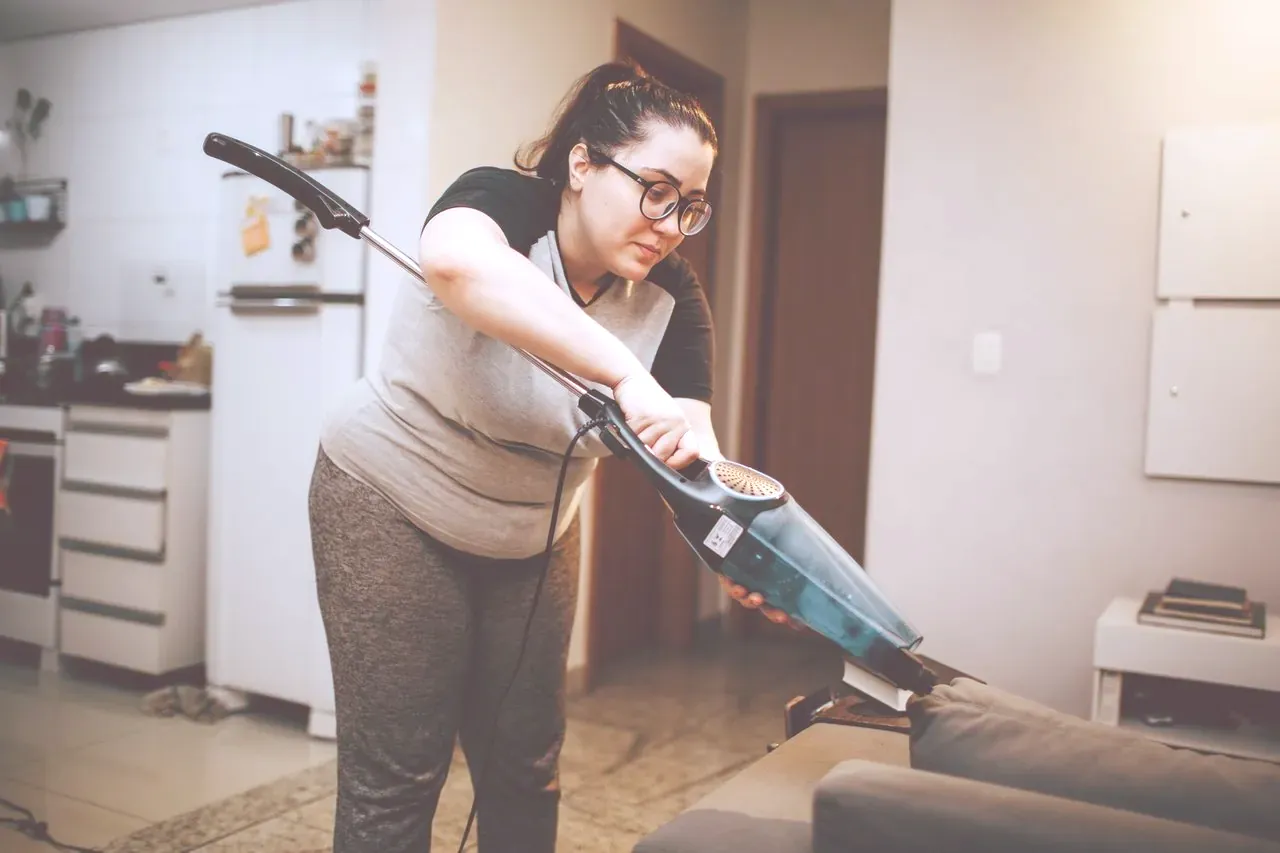
Most jobs start with an inspection that moves room by room through mattress seams, box springs, bed frames, headboards, nightstands and baseboards. Ask what tools the provider uses during that search. Its findings should set the scope of the job before any price is mentioned.
Before the heat day, a prep list arrives from the provider. It usually asks you to launder clothes and seal them in bags, clear the floors, pull beds a little away from walls, and remove anything heat could ruin: candles, medicines, electronics, aerosol cans. If the provider's sheet says something different, the sheet wins.
Crews usually place electric heaters, fans and remote temperature probes in each room being treated. Doorways may be closed off and cooler areas noted before the temperature begins to climb. Setup time depends on the layout of the home, so ask the provider what to expect.
The temperature is pushed up to the provider's target and kept there; how long depends on the room's size and how full it is. Remote probes report from the corners, so nobody needs to open a door and let heat out. Ask how long your hold will be.
Cool-down is followed by a second look at the spots where bugs were found, plus monitors and, often, a suggestion to encase mattresses and box springs. Expect talk of a return visit some weeks out to look for new signs, and ask what would happen if bugs are found then.

Heaters sized to each room. Providers position them so warmth spreads evenly and no single spot gets hot enough to damage electronics, artwork or finishes.
Pointed at baseboards, wall gaps and the undersides of mattress seams before and during heating to find spots that are warming slowly.
Tucked into the slowest-warming corner of a room, these report temperatures to the crew outside, so no one has to open a door to check.
Some providers use a detection dog or a thermal camera while inspecting. Ask whether yours does, and how each find gets confirmed by eye.
Some providers run steam along mattress seams, bed frame joints and sofa piping to back up the room heat.
Some providers vacuum seams, cracks and baseboards before heating to remove debris and live bugs without scattering them through the room.
Left under bed legs and by baseboards when the job ends, they trap bugs still moving and show the provider what to look at next time.
Each room is brought to the provider's target temperature and kept there for a time the provider decides. This is the core of the method. Probes help show that the corners and furniture hold that heat, not only the middle of the room.
Before a room is called done, providers often check walls, furniture and mattress seams for spots that stayed cooler. Those spots may get more heat or a focused steam pass. Ask how the provider confirms each area reached the target.
A sealed cover on the mattress and another on the box spring leave survivors nowhere to go. Cups under the bed legs catch any bug heading back up to the sleeper. Between them, a household can spot new activity early in the months after heat.
Many providers follow heat with a residual product on cracks, baseboards and the edges of wall voids. In Ohio, commercial applicators who treat for hire need an Ohio Department of Agriculture license. Ask what will be applied, and where.
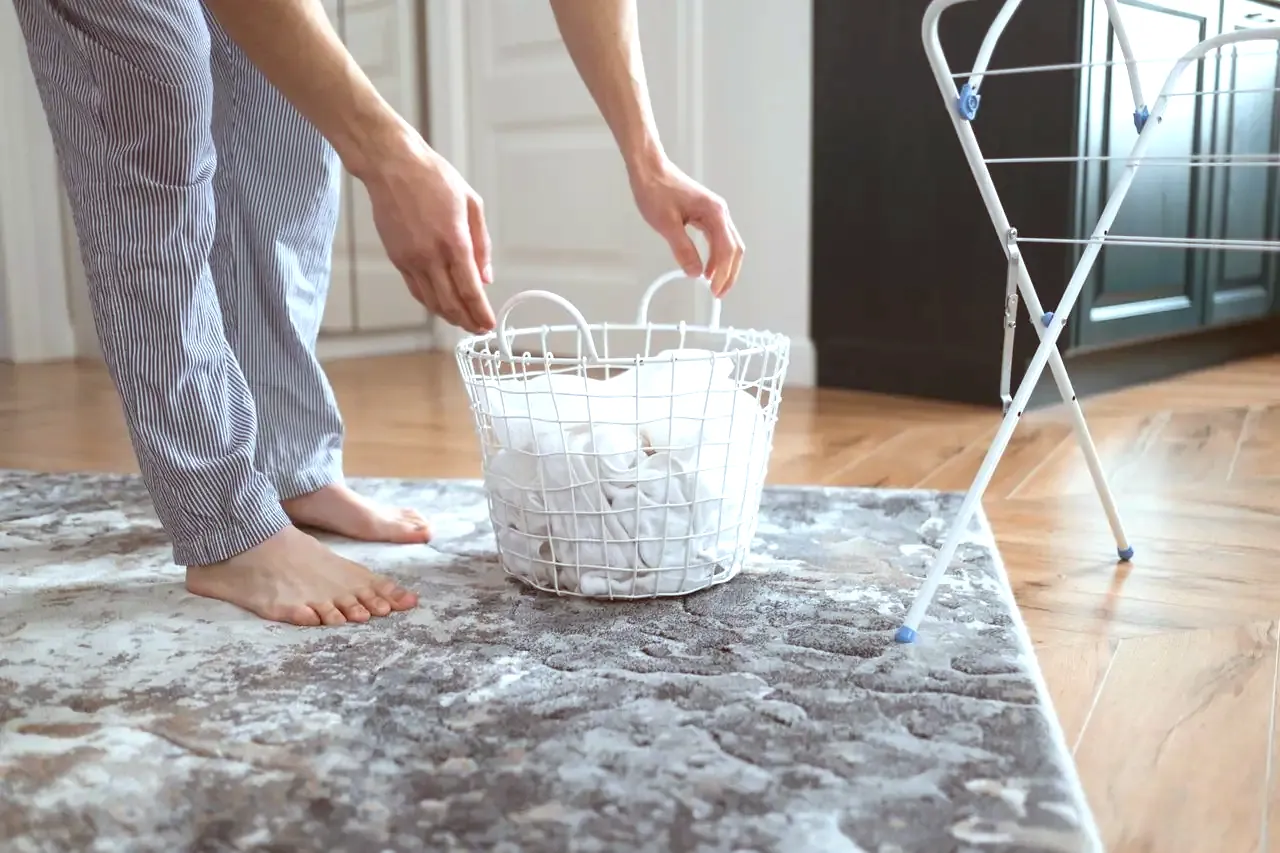
After inspecting the unit and confirming whether bugs are active, a provider can say if heat is a good fit. Where several units share a building, the owner or manager normally has to be involved, because apartments nearby may need a look. Write to the landlord about the problem, keep a record of dates and photos, and work through the prep sheet.
Heating the side with activity and checking the dividing wall from both homes is one common plan. Ask what evidence shows heat reached inside the wall, where bugs move. Monitors set along it then reveal whether either household still has bugs.
With the dresser left inside, a provider may heat the bedroom, then recommend cups under the bed legs and covers for the mattress and box spring. After examining the dresser, the provider can say whether it is worth keeping, and the cups warn early if bugs return.
A provider can inspect the room or workstation, treat the affected area and check the spaces next to it. Ask about timing that keeps guests and staff out while the work runs. Ohio State University Extension notes bed bugs are often found where occupants change often, so ask how nearby rooms will be checked.
Dayton's housing shapes how a heat job is planned. The median home in the city was built in 1951; 64.7 percent of units date from before 1960 and 85.4 percent from before 1980, so providers often work in older rooms where even heating takes planning. More than half of occupied homes, 51.6 percent, are rented, and 19.1 percent of housing units are in buildings with five or more units, where shared walls and utility chases give bed bugs a route between apartments. That is why a provider may ask about the units next door and place monitors in hallways. Ohio State University Extension notes bed bugs are often found where occupants change often, such as apartments and dormitories. Bed bugs are an indoor pest all year, so there is no off season to wait for. Calls to this line are connected with an independent local provider, who sets the inspection time.
Walnut Hills, ZIP 45410, is one of Dayton's official city neighborhoods. Older rooms can heat unevenly, so ask how the provider plans for that.
College Hill is a city neighborhood at Dayton addresses in 45406. Clearing floors and closets before the visit lets heat move more freely.
ZIP 45469 is the University of Dayton ZIP, inside the city. After an inspection, ask which rooms truly need heat.
Old North Dayton and McCook Field are city neighborhoods at Dayton addresses in 45404. If several homes or units are affected, ask how visits are scheduled.
Bed bugs live where people live, so they stay active indoors through every month. They also ride along in luggage, bags and clothing, which is how trips and moves carry them.
Openings for pipes and wiring connect one apartment to the next. A provider may check those routes and set hallway monitors so bugs do not wander back into a treated unit.
Stuffed closets and crowded floors block airflow and slow how quickly parts of a room warm up. Providers still take readings in the coolest spots before calling a room finished.
With more than half of Dayton homes rented, leases turn over and used couches, mattresses and dressers change hands. Check items before they come inside, and mention recent moves on the call.
A renter finds live bugs on two mattresses and along the baseboards. The landlord has sprayed twice, but new bites appear a few weeks after each round. The apartment shares a wall with the next unit, so the neighbors could be affected too.
A provider would usually inspect first, then heat both bedrooms and the living room, check with probes that the baseboard gaps reached the target and leave monitors behind. The return visit shows whether any activity remains.
Later on: Covers for both mattresses and box springs, a cup under every bed leg, and monitor checks at whatever intervals the provider chooses.
Three people in one family have bites, and bugs turn up in a used dresser. A baby lives in the house, so the parents want chemical use kept low. Signs show up in two bedrooms and a hall closet.
A provider might suggest heating the two bedrooms and the hall closet with the dresser left in position, checking temperatures where the rooms warm slowest. Because of the baby, ask on the call whether any product would be applied after the heat.
Later on: Bedroom monitors, cups beneath the crib and each bed leg, and a second inspection scheduled later by the provider.
Bites are reported from two apartments in a small building within days of each other. The owner's theory is a shared plumbing chase, and a spray-only treatment done earlier did not stop the reports.
Both affected apartments might be heated during the same visit, with the rest of the building looked over. Ask what proof shows heat got into the shared chase. The return inspection should indicate whether the reports will end.
Later on: Monitors in each unit and the shared hallway, plus mattress encasements where the provider recommends them.
A bed bug problem seldom stays put; bugs spread along seams, outlet boxes and shared walls. Common situations include the four below, along with how heat might fit each one.
A spray can leave eggs alive, and those eggs produce the next wave of bites. Ohio State University Extension notes infestations often take more than one treatment. Because heat held at the provider's target can get to eggs and adults alike, it is often chosen here, usually with a residual and a return check added; ask what your plan includes.
Treating one apartment can push bugs into the next through shared walls and plumbing chases. In Dayton, 28.3 percent of housing units are in buildings with two or more units, so many households share walls. Providers often check adjoining units and may place monitors in hallways and shared spaces.
Bugs can arrive in a secondhand sofa or dresser and settle deep inside the frame, where spraying the fabric may never reach. Heat passes through upholstery and joints. Some providers heat the piece in place or in a heat chamber, then put interceptors under its legs.
A newborn in the house, or someone with asthma or allergies, can make a family put off treatment, and that delay gives bed bugs room to spread. Using heat can mean less product overall, yet a residual often follows anyway. Share any health concerns on the call so the provider can explain what would be applied and when rooms are ready again.
The provider sets it after seeing the home
Cost is set by the provider once they have seen the home; this site lists no figures. What moves it most: how many rooms are affected, the amount of clutter and furniture, how long the infestation has run and whether units next door join the job. Heat usually means one larger visit, and a chemical plan more often means a series of shorter ones, so asking for both totals makes the comparison fair. Confirm what the price covers, return visits included, before you agree.
Ask for a breakdown: is the inspection in the price, along with the heat cycle, the checks that follow and a return visit? Find out too whether encasements or a residual are added on.
Heaters, probes and hold time are needed room by room, so a studio is a smaller job than a big house with several bedrooms and a finished attic, which calls for more gear and a longer day.
Where belongings pile up, warm air cannot circulate and cooler pockets remain. A job in a home with packed closets and crowded floors may need more heaters or more hours. Clearing space as the prep sheet asks helps the work stay on time.
Bugs pushed out of one treated unit can turn up in the duplex half or apartment next door. Including those units enlarges the job, so ask the provider and the owner how they decide which units are added.
Mattresses, box springs and upholstered pieces have to be set up so heat passes through them, and each extra piece adds setup and checking time. Encasements are often priced per piece.
Upper-floor apartments and buildings where parking is far from the door add time to bring in heaters and cords. Ask whether access affects the price so the day holds no surprises.

This site is a referral service, not a pest control company. Before work starts, ask for the applicator's Ohio pesticide license number and check it on the Ohio Department of Agriculture's Pesticide Applicator Search; bed bug work falls under category 10a, General pest control. Ohio State University Extension recommends an integrated pest management approach for bed bugs. Whether the home is in Walnut Hills, College Hill or elsewhere in Dayton, ask how the heat job would be sized and laid out.

Weeks after an earlier treatment, a parent spots a live bug on a child's mattress and wonders what to do now. A provider would normally look through each bedroom, describe the size of the job and what it costs, and talk through how heat might be set up there. The family should expect a prep sheet and a talk about a return visit.
Two units in a landlord's small building report bugs. A provider may propose heating both in a single visit and looking over the remaining units. The landlord should ask how the provider proves heat got inside the shared wall and how tenants will learn what to prepare.
Living with asthma in a one-bedroom apartment, this renter wants as little chemical use as possible. A provider can explain whether heat fits the unit, whether any product would be applied afterward and how soon the rooms are usable. Reporting the problem to the landlord in writing comes first.
No, pets need to be out of the home while the heat runs, because treated rooms get far too hot for animals, even though the heat leaves nothing behind. Providers generally ask that pets, houseplants and fish tanks be removed for the whole cycle. If a residual product is applied afterward, ask which one it is and when pets can return, and follow the provider's timing.
It depends on the number of rooms, the clutter and how much furniture is involved. Many heat jobs fit within one working day, while larger homes take longer. Setup comes first, then the heat-and-hold stage at the center of the job, then cooling. Ask the provider for a time window when you book.
Yes, heat can reach eggs as well as adults if the target is held long enough. Eggs deep in frame joints and seams are the hardest to reach, and Ohio State University Extension recommends an integrated approach, so providers often add a residual and a return visit. Ask how heat reaching those spots is confirmed.
The provider sets it after an inspection, based on the number of rooms, clutter, furniture, how long the problem has run and whether adjacent units are involved; this site gives no prices. Ask what the price covers, return visits included, so the total is clear from the start.
Question not answered here? A local provider reached through the referral line can talk it through with you.
Ask the provider you reachBefore any heat job, a provider usually checks mattress seams, box springs, bed frames and gaps in the walls. What that search finds decides the scope and price of the treatment, so ask what it covers.
See this service
For light cases, or as a step after heat, many providers apply residual products to cracks, baseboards and the edges of wall voids. Ohio State University Extension recommends an integrated approach, which is why methods are often combined.
See this service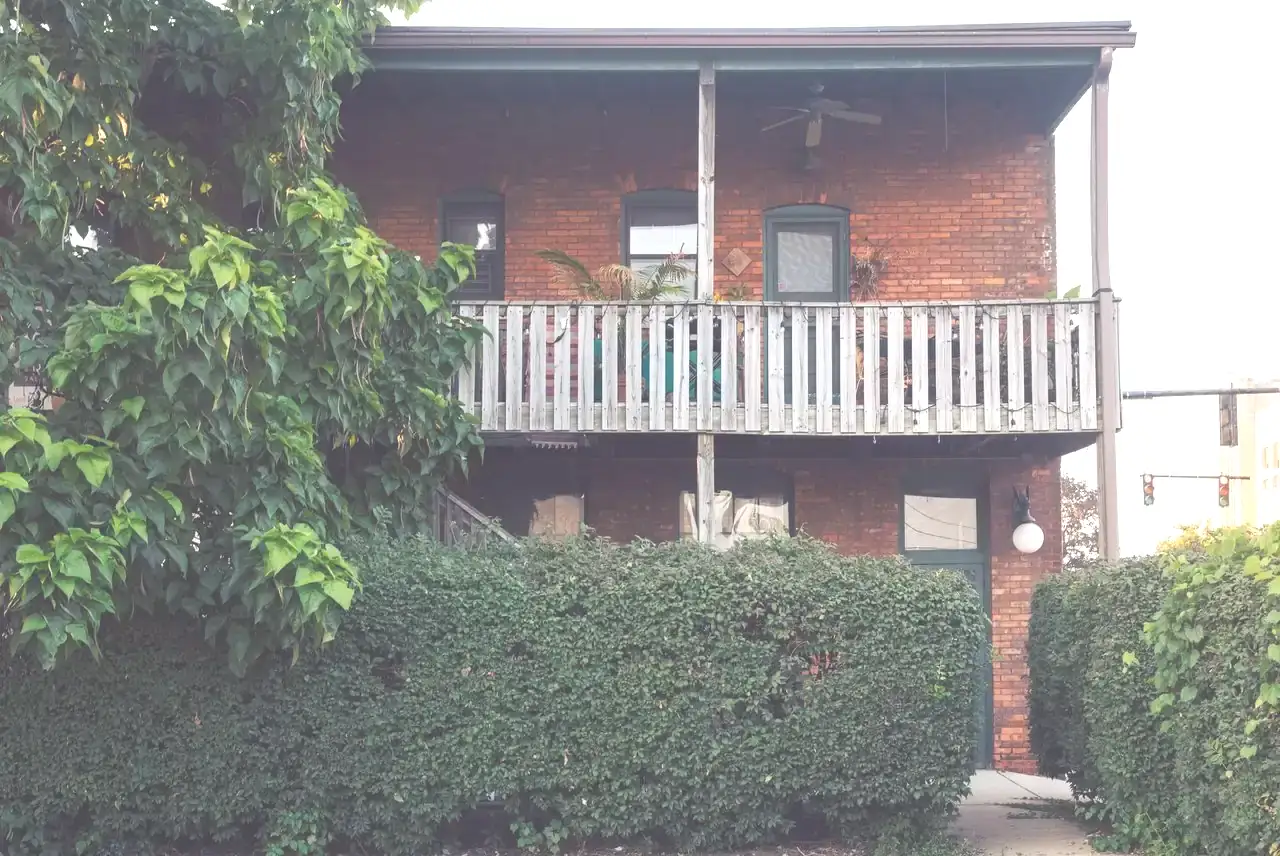
Apartment buildings anywhere in Dayton, Walnut Hills and College Hill included, need coordinated treatment, since bugs can slip back through shared walls. A provider may treat the unit where activity started, look at the units around it and leave monitors.
See this service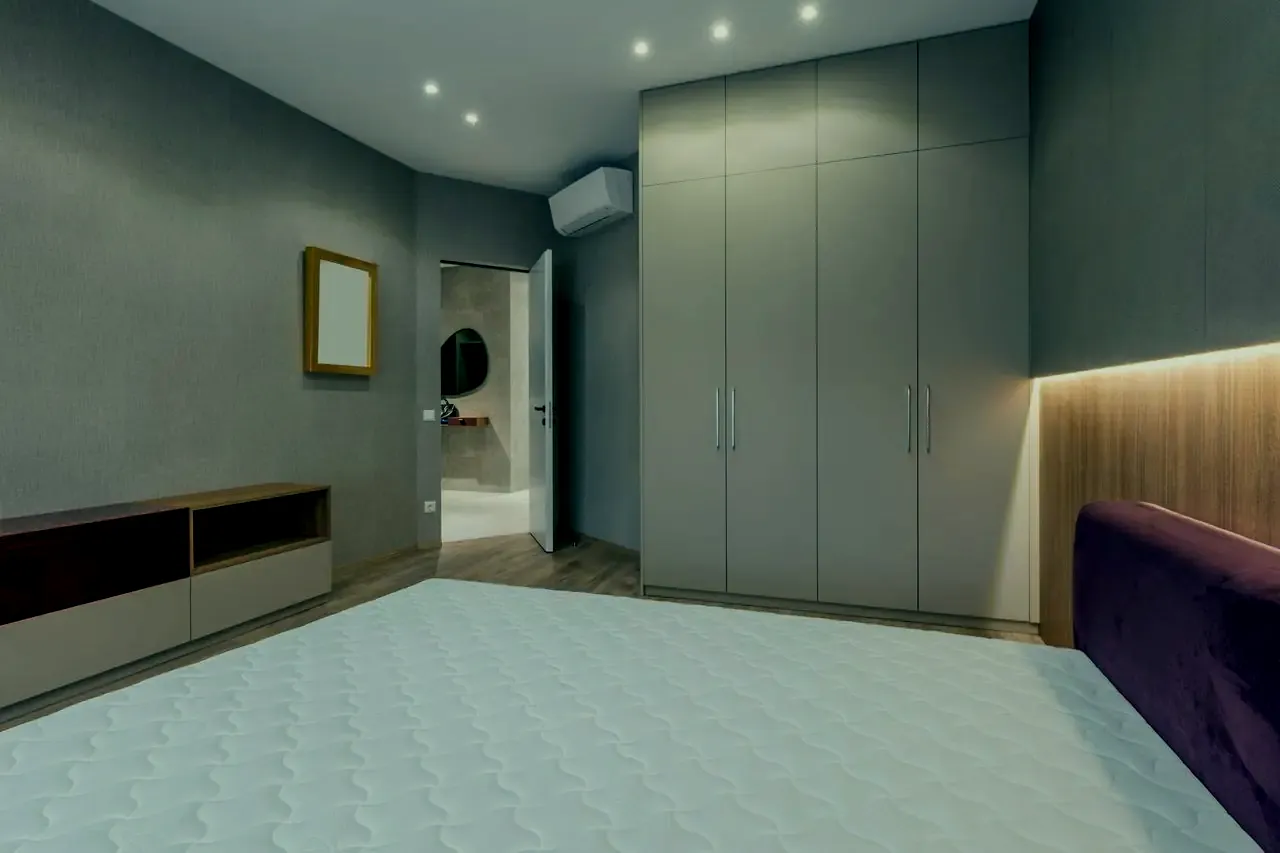
A return visit some weeks after the heat lets the provider look at the original hot spots again and read the monitors. Those checks help show whether the infestation is over. Ask what the next step is if bugs are still alive.
See this serviceDialing the number sends your call through a call-tracking service, which may record it, to an independent provider that works in Dayton. Lines are open 7 a.m. to 1 a.m. Eastern Time (8 a.m. to 2 a.m. during daylight saving time), and a call-back request form takes over at other times. Timing and price come from the provider.