A single Dayton number
Bed bug calls from across Dayton use one line.
In Dayton, OH homes, bed bug follow-up treatment is a planned return visit that checks whether the first round worked and treats bugs that hatched or stayed hidden since. A call to this line connects you with an independent local provider who works in houses, duplexes and apartment buildings across the city. If you see new bites or a live bug after treatment, call and describe what you found.
Bed bug calls from across Dayton use one line.
Expect an inspection before any cost is set.
Each call goes to a provider working in Dayton.
Look up the applicator on the ODA's Pesticide Applicator Search.
A return visit normally combines a fresh inspection, treatment of any spots still active and a reading of the monitors. Ask what is included and what costs extra.
The provider looks again at headboards, frames, box springs, mattress seams, upholstered chairs and baseboards for eggs, cast skins, live bugs and new spotting. Ask which rooms the recheck includes and how each finding is confirmed by eye before treatment.
Places still showing live bugs get treated again, often with residual product on frame edges and dust in cracks and voids. That is work for a licensed applicator, so ask who will apply it and which areas stay covered if bugs return.
The provider empties and reads the cups under each bed leg and may add monitors near baseboards or the sofa. What they catch points to the next step. Ask who reads them in the weeks between visits.
Ask for written notes on what was found, which rooms were treated, what was applied and whether another visit is advised. Dayton owners and tenants can keep them with lease or repair records.
Every provider sets its own terms for repeat work. Ask how long coverage lasts, which rooms it includes, how new activity is defined and whether bugs brought in later on luggage or a used chair are excluded. This site cannot set terms, so get them on paper.
Tell the provider about the bites, specks or bugs, and get a sensible first step.
A bed bug follow-up treatment in Dayton is a planned return visit that checks the results of the first round and clears out eggs, nymphs or adults that remain. Providers often come back around two weeks after the first treatment, with exact timing set by the method and what was found. A typical visit includes a full re-inspection, treatment of live spots and a check of covers and interceptor cups. Ask how long the visit will take in your home.
Return visits are routine because no single treatment reaches every bug. Eggs sit in seams and cracks and resist some products, and nymphs can emerge after the spray dries. The first round can also miss bugs in outlets, wall voids or clutter. Ohio State University Extension says infestations usually call for a licensed pest management professional, often with more than one treatment. Calls about re-treatment from Walnut Hills, College Hill, Downtown, Burkhardt and other Dayton neighborhoods go to an independent local provider.
The provider will usually send prep steps before the second visit. Common ones: wash and dry bedding on high heat, bag clean items, pull beds a few inches from the wall and vacuum along seams. Covers and interceptor cups normally stay in place. A written list keeps steps from being missed.
The provider starts in the bedrooms and moves to nearby seating and rooms, checking headboards, frames, seams, box springs, nightstands and baseboards. Each cup is emptied and examined. Providers will usually point out any area that is still active, so you know what remains and what will be treated next.
Live spots get treated again, often with residual product on frame edges and dust in cracks, voids and outlet boxes. If the first product seems to have failed, the provider may switch classes. Ask how long to stay out of each room and when beds can be used.
Used cups are cleaned or replaced, and more monitors may go near baseboards or the sofa. Any surviving bug ends up in them, which gives you an early warning between visits. Ask how often to check, what a catch looks like and whether to send the provider a photo.
Before the provider leaves, ask for notes on what was found and treated and whether a third visit is needed. Clutter, shared walls and heavy infestations can push a job past two visits, and Ohio State University Extension notes infestations often take more than one treatment. Ask who decides and whether extra visits fall under your terms.
A bright flashlight and a hand magnifier reveal eggs, cast skins and tiny nymphs in corners and seams that are easy to miss with the naked eye on a recheck.
Small mirrors and thin probes let the provider see behind headboards and into outlet openings, so the recheck reaches places a glance cannot.
On a return visit, residual product goes on frames, baseboards and furniture joints along the routes bugs travel. Bugs crossing those surfaces in the days afterward keep contacting it.
Dust is puffed into cracks, outlet boxes and wall voids where a liquid spray cannot reach. Bugs that crawl through it dry out, and left undisturbed it can stay active for a long time.
Set beneath each bed leg, these cups catch bugs walking up to feed or back down to hide. Checked between visits, they reveal whether bugs are still active and where.
A zip-up cover turns the mattress and box spring into a sealed case: bugs left inside cannot reach a sleeper, and smooth fabric is easy to check. Keep it zipped and look for rips.
Vacuuming with a HEPA filter lifts bugs and eggs out of seams; bag the contents and take them outdoors at once. Slow steam across fabric and edges then kills eggs and nymphs on contact.
Bedrooms come first, then seating, closets and baseboards, following one sequence on every visit so nothing gets missed. Old stains can pass for fresh activity, so a careful provider confirms each find by eye. Ask which rooms are on the list and how long it will take.
Each method covers a gap the other leaves. Residual on exposed surfaces reaches bugs that walk across it, while dust in cracks and voids reaches bugs hiding where liquid cannot go. Ask which mix is planned for your return visit and why.
When bugs survive the first product, a provider may change classes, for example to an insect growth regulator or a product with a different mode of action. Rotation helps where bugs tolerate one class. Ask what was used last time and why a switch makes sense.
Each return visit is a chance to set or reset interceptor cups and other monitors. Check them weekly, note the dates and photograph any catch. Ask how long monitoring should continue and what kind of catch means another visit is needed.
Expect a recheck of that unit, plus the neighbors if the owner allows it, to learn whether the bug came from the original bedroom or somewhere else. Active spots are treated again and cups go under the bed legs. Written notes keep tenant and manager on the same page. A single bug is not proof the treatment failed, but report it in writing at once and ask how soon the recheck can happen.
A new inspection comes first. Heat may have missed bugs sheltering in a wall void, a cooler corner or a room outside the heated zone, and some bites turn out to have another cause entirely. If live bugs or fresh signs turn up, the missed spots are treated, often with residual product or dust, and cups go down. Ask how long they should stay in place.
Before moving day, a separate inspection can cover bedrooms, closets and any furniture the previous occupants left behind. If signs turn up, the provider can explain options before a single box comes in. If not, monitors near the beds can flag a problem later. Ohio State University Extension notes bed bugs are often found where occupants change often, so check boxes and used furniture as they arrive.
A re-inspection can be booked and documented with the date, the rooms checked and what was found. Any activity means treatment and another visit before the lease starts. The record belongs in the rental file. Since an inspection only shows one day, ask how long cups should stay down after the new tenant moves in.
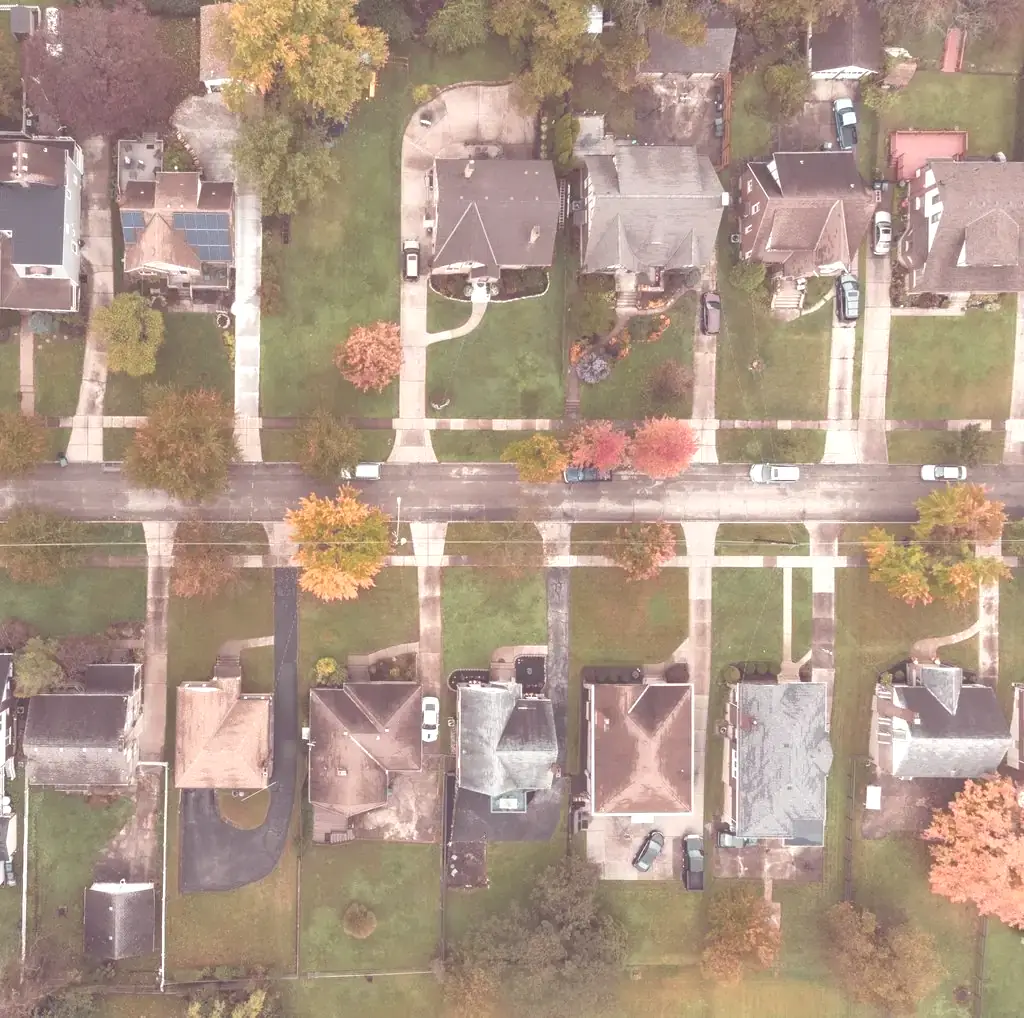
Dayton's housing affects how return visits run. The city has 136,579 residents and 70,335 housing units, with a median year built of 1951; 64.7 percent of units went up before 1960 and 85.4 percent before 1980. More than half of occupied homes, 51.6 percent, are rented, 28.3 percent of units are in buildings with two or more units and 19.1 percent in buildings with five or more. In shared buildings, bed bugs can move through walls, pipe openings and hallways, so providers may spend extra time on neighboring units and on notes for owners and managers. In single-family houses the focus is usually bedrooms, sofas and anything brought in from outside. Ohio State University Extension notes bed bugs are often found in dwellings with high occupant turnover, such as apartments and dormitories, and that an infestation is not usually a sign of poor housekeeping. Bed bugs stay active indoors all year. Before work starts, ask for the applicator's Ohio pesticide license number and check it on the Ohio Department of Agriculture's Pesticide Applicator Search.
Walnut Hills is an official City of Dayton neighborhood in ZIP 45410. With most of Dayton's housing built before 1960, return visits often look closely at wall voids and baseboard gaps.
College Hill is an official City of Dayton neighborhood in 45406, as are Cornell Heights and Dayton View Triangle. Return visits there can focus on bedrooms, sofas, used purchases and travel bags.
Burkhardt is an official city neighborhood in 45403. In a building with several units, a return visit often includes the units beside, above and below the first one.
Santa Clara is an official city neighborhood at a Dayton address in 45405. Mention any store-bought spray used before the first visit, since the provider may choose a different class.
Limiting a return visit to one unit can miss the real source, since bugs travel through voids and the openings around pipes. Ask whether neighboring units, including those above and below, should be checked and treated at the same time.
Heated rooms let bed bugs keep feeding through every month, so there is no reason to delay a return visit because of the weather. Book it when the provider advises and keep monitors down.
Ohio State University Extension notes bed bugs are often found where occupants change often, and used sofas carry them too. Bugs found after a clean return visit may be new arrivals, so mention recent trips or purchases.
Bed bug treatment is work for a licensed applicator. Look up the license number on the ODA Pesticide Applicator Search and keep the visit notes.
Example: about two weeks after the owner's treatment, a live bug shows up on the sofa and the tenant starts waking with bites in the second bedroom. The tenant reports it in writing, and the manager calls to book a return visit before it spreads further.
Usually next: the sofa and both bedrooms are checked again, residual product goes on active spots, dust goes into cracks, and cups are set under each bed leg. Results depend on prep, clutter and the neighboring apartments, so the cups stay down for a while.
Later on: Check the cups every week and leave them in place. Vacuum seams and edges often, and wash and dry bedding on high heat. If new bites or catches appear, tell the provider in writing within the period your terms allow.
Example: bites continue three weeks after the house was heat-treated. The bedroom got hot enough, but bugs may have survived inside a headboard void or in a room outside the heated area. Finding the source takes another careful inspection.
Usually next: live bugs are searched for around the headboard, the outlets and the baseboards. Dust may be puffed into the void and gaps sealed, and a later check tells whether that finished the job.
Later on: Leave any dust in wall voids alone. Keep baseboard monitors in place and replace them on the provider's schedule. Seal new cracks near outlets and trim, and check luggage after every trip before it comes inside.
Example: the apartment next door has been treated twice, yet a tenant in this unit now reports bites. The bugs may be traveling along a shared wall or pipe chase, so the owner needs a plan and written notes that take in both apartments, not just the one first treated.
Usually next: both apartments are inspected along with the chase that links them. The voids get dust, live spots in each unit are treated again and both tenants receive notes. Cups stay down to show whether either unit still has bugs.
Later on: For the next few months, ask how often the chase and nearby units should be checked again. Keep the notes on file, and ask tenants to report bites in writing and check bags after travel.
Treatments that fall short usually share a few causes. A planned return visit is meant to catch each of them before the infestation grows again.
A few surviving females can keep laying eggs, and new adults may appear within weeks, so a small miss can quietly spread. On the return visit, the provider finds where the first round fell short and treats those spots again, sometimes with a different product class. A close look can tell a survivor from a newly hatched bug. Report the sighting quickly and keep the bug on clear tape if you can.
Clothing, bags and furniture can carry bugs into a room that never got treated, and bugs can also crawl there along the baseboards. Ask that the return visit cover every spot where people sleep or sit, closets, living room seating and used furniture included. Each active room gets treated and its own monitors, which later shows which room is still the source.
Dated notes settle the disagreement; without them the tenant may keep getting bitten. Ohio law, ORC 5321.04, requires a landlord to comply with building, housing, health and safety codes that materially affect health and safety and to keep the premises fit and habitable. This site draws no legal conclusions. Ask the provider for dated notes on what was inspected and found, and give each side a copy.
Store sprays reach only the bugs they hit; eggs and bugs deep in cracks live on, and foggers never get into seams. Weeks later the bites start again, and the surviving bugs may now shrug off that kind of product. A return visit tracks down where they remain and may bring a different class. Tell the provider exactly what you used and where.
Set by the provider after an inspection; first quotes sometimes cover return trips
This site does not price a Dayton return visit; the provider does, and many include one or more return visits in the first treatment. A one-time visit, such as a second opinion or a check before move-in, usually gets its own quote. The cost depends on the number of units, the size of the home, clutter, any checks next door and the methods used. Ask for it in writing, along with what another visit would cost if a treated room shows bugs.
A return visit pays for a second careful inspection and a written result, usually far less work than repeating a full treatment or replacing furniture. Ask which repeat-work terms apply if bugs reappear in a treated room, and how long they last.
A single house or apartment takes less time than several units, since every added unit means more inspecting and treating. An owner with a number of units in one Dayton building can request one quote for the whole property.
Larger homes take longer: a studio is quicker to check and treat than a house with several bedrooms, and extra rooms use more product. Ask how your square footage figures into the price.
Piles on the floor slow the inspection and give bugs cover. Unwashed bedding or beds left against the wall can make the visit longer or call for another pass, while a well-prepared room makes the return visit quicker and easier.
In Dayton apartment buildings and duplexes, neighboring units may also need a look. Ask whether those units are quoted separately and how the cost is divided. Checking next door can be the quickest way to find the source.
If the first treatment did not hold, a switch to another product class, an insect growth regulator for instance, can change the price. Ask the provider why the change is needed and how it shifts the quote.
This site only handles referrals; it does no pest control and holds no pesticide license. In Ohio, the Department of Agriculture licenses commercial pesticide applicators, and applicators who treat other people's property for hire need a commercial license; bed bug work falls under category 10a, General pest control. Before work starts, ask for the applicator's Ohio pesticide license number and check it on the Ohio Department of Agriculture's Pesticide Applicator Search. Ohio State University Extension says infestations usually call for a licensed pest management professional. Get product names, re-entry times and visit notes in writing, and confirm the provider carries insurance.
A renting family had the apartment treated but still finds a bug about two weeks later. A call reaches a provider who can explain the return visit, recheck the children's beds and box springs and treat spots that are still active. Expect questions about whether cups are down and what you have seen.
The owner of a small building keeps seeing bed bugs come back in the same apartment. The provider can recheck that unit and its wall voids, inspect the surrounding apartments with permission and treat what is found. Ask for written notes for the tenant file and advice on monitoring the building for the next few months.
A tenant deciding whether to renew a lease wants an outside opinion on the treatment the owner arranged. The provider can explain what an inspection covers and what notes come out of it. Since an inspection shows a single day, cups under the bed legs may be suggested afterward. There is no pressure to book.
Contact the provider quickly, and in writing if you rent. Many providers cover a return visit for a set period after treatment, but terms differ, so check yours. On the recheck, the provider confirms whether it was a live bug or debris and treats active spots. Most comebacks trace to eggs that hatched after the first round or to bugs brought in later on luggage or used furniture.
Usually, yes. One treatment kills many bugs, but eggs and well-hidden bugs can survive, and those eggs may hatch later. A return visit timed after the hatch catches new nymphs before they breed. Ohio State University Extension says infestations usually call for a licensed professional, often with more than one treatment.
Often more than one. Ohio State University Extension says infestations usually call for a licensed professional, often with more than one treatment. The count depends on the size of the infestation, the method and the prep. Two visits cover many homes, while heavy cases, clutter and shared walls can need more. Ask after each visit whether another is advised.
The provider sets that figure after an inspection; this site gives none. A return visit is often included in the cost of the first treatment, while a one-off second opinion or move-in check is quoted separately. The number of units, home size, clutter, checks next door and prep all affect the amount. Get it in writing before the visit.
Question not answered here? A local provider reached through the referral line can talk it through with you.
Ask the provider you reach
Before treatment is chosen, an inspection looks for cast skins, dark spotting, eggs and live bugs. Not sure bed bugs are the problem? Start here. What the provider finds shapes the plan, the method and how many return visits are booked afterward.
See this service
Heating a room or apartment to a lethal temperature reaches every life stage inside the heated area. Bugs in wall voids or cooler spots can still escape, which is why residual product and a later inspection are often added.
See this service
Chemical work is done by a licensed applicator: residual product along frames and edges, dust in voids and cracks. Because some products leave eggs alive, this method depends on a second visit to catch nymphs that hatch after the first round. Ask how long treated rooms stay closed.
See this service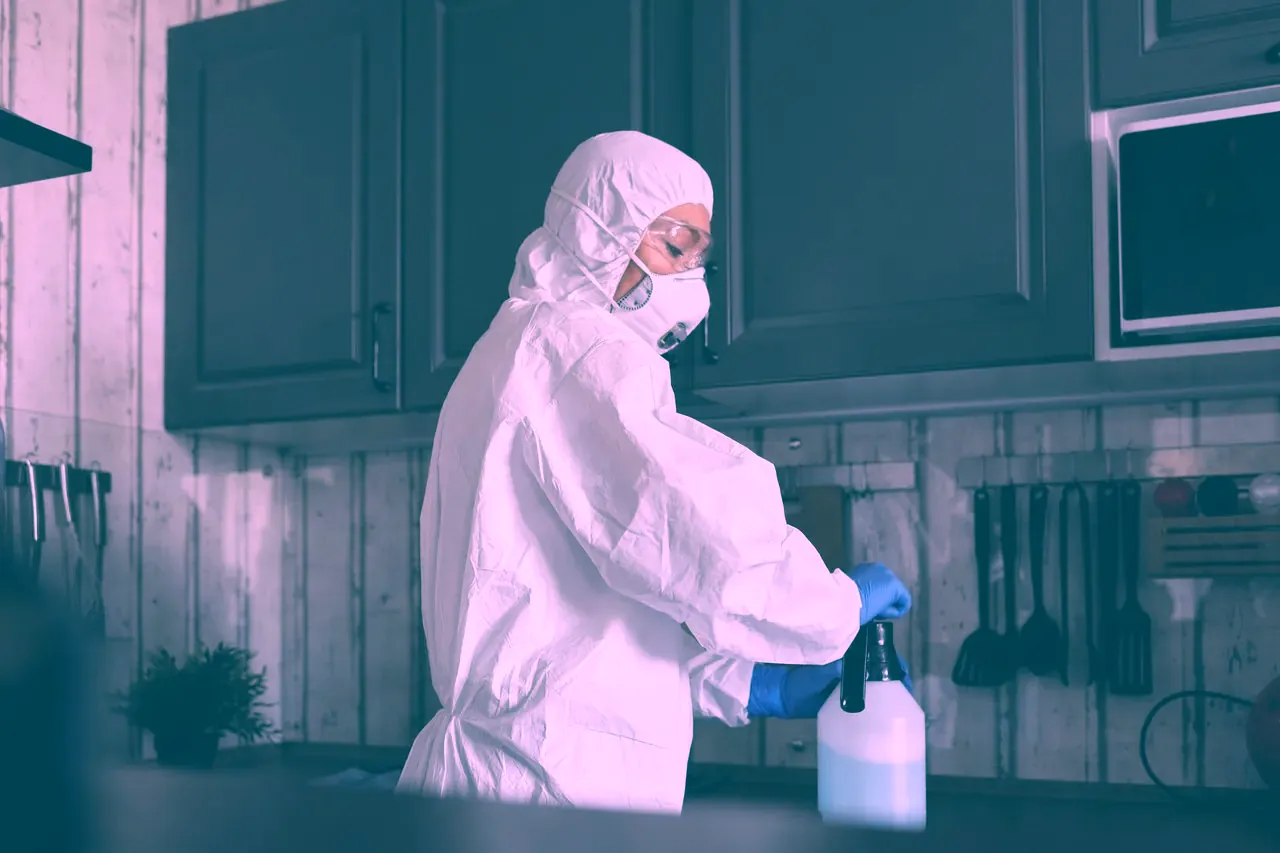
Apartment treatment covers duplexes and larger buildings, where bugs can move between units through shared walls and pipe openings. Providers may coordinate with owners and managers, inspect neighboring units and prepare notes for lease files. With 28.3 percent of Dayton units in buildings of two or more, one missed unit can reinfest its neighbors.
See this serviceDialing the number sends your call through a call-tracking service, which may record it, to an independent provider that works in Dayton. Lines are open 7 a.m. to 1 a.m. Eastern Time (8 a.m. to 2 a.m. during daylight saving time), and a call-back request form takes over at other times. Timing and price come from the provider.