A single Dayton number
Bed bug calls from across Dayton use one line.

Bed bug chemical treatment in Dayton, OH puts pesticide into the tight spaces bed bugs return to between meals: mattress piping and tufts, bed frame joints, the gap under baseboards and the hollow behind outlet covers. A provider usually treats mattresses, box springs, frames, upholstered chairs and baseboards in houses, duplexes and apartment buildings throughout the city. Itchy welts in the morning, small rust-colored stains on a pillowcase or a flat brown insect in a seam are good reasons to pick up the phone. The referral line connects you with an independent local provider, who inspects first, explains the plan and books any return visits.
Bed bug calls from across Dayton use one line.
Expect an inspection before any cost is set.
Each call goes to a provider working in Dayton.
Look up the applicator on the ODA's Pesticide Applicator Search.
Chemical control of bed bugs works over several visits rather than one round of spraying. Here are the pieces a provider commonly includes, along with extras worth raising when a house or building needs more.
Before any product is applied, a provider typically goes through bedrooms, sofas, recliners and closets. That shows how far the bugs have spread, keeps product out of rooms that are clear and turns up the hiding spot behind a dresser.
Contact and residual products are worked into mattress tufts, box spring edges, frame joints, baseboard cracks and chair joints. Ask the provider which product goes in each room, the reason it was picked and how it is put down.
Eggs often outlast a spray that kills adults. That is why plans lean on residual product left in cracks and seams, which newly hatched nymphs walk across, and some providers add an insect growth regulator. Ask what your plan uses and why.
Dust often goes into wall voids and behind outlet plates, and interceptor cups are set under each bed leg. Whatever ends up in the cups gives the provider evidence to work from at the next visit.
A chemical plan almost always books a second visit, often about two weeks after the first. Ask how many visits the quote covers and what the provider does if live bugs turn up later.
Tell the provider about the bites, specks or bugs, and get a sensible first step.
In Dayton, bed bug chemical treatment is pesticide work by a licensed applicator that pairs contact products with residual ones and, in many plans, a dust, so the bugs active now die along with the nymphs that hatch later. The provider usually begins with the mattress, box spring, frame, headboard, nightstands and baseboards, marking each place where live bugs, eggs or dark spotting appear. Product then goes into the seams, cracks and gaps where bed bugs shelter between feedings, and outlet boxes or wall voids may get dust. A return visit, often around two weeks later, deals with nymphs from eggs the first round missed.
Bed bugs live indoors in Dayton in every month, so waiting for a change in the weather gains nothing. Ohio State University Extension notes they are often found in dwellings with high occupant turnover, such as apartments and dormitories, though any building can be infested, and that an infestation is not usually a sign of poor hygiene. That matters in a city where 51.6 percent of occupied homes are rented. Common situations include an apartment Downtown, a home in Walnut Hills or a rental at a Dayton address in 45405. This page explains how chemical work runs, why it takes more than one visit and what to ask first.
The provider goes room by room, starting with beds, sofas and baseboards, and looks for live bugs, eggs, cast skins and dark spotting in places a quick glance misses. The findings show how far the bugs have spread, which rooms need product and whether a neighboring unit should be checked as well.
Expect a written prep sheet before treatment day. Typical steps: wash bedding and clothes and dry them on high heat, bag clean items, clear closet floors and pull the bed away from the wall. Leave furniture where it is and do not carry belongings to another room before the inspection.
Contact and residual products go where the inspection found bugs or likely hiding spots: mattress seams, box spring edges, frame corners, baseboard gaps and furniture joints. Some plans add a growth regulator. Ask how long the work will take and when you can go back in.
Wall voids and the space behind switch and outlet plates often get dust, and cups go under each bed leg. Whatever the cups catch shows whether bugs survived the first round, so the next decision rests on evidence rather than guesswork.
The provider usually returns, often about two weeks later, to read the cups, treat spots that are still active and check seams for young nymphs. Ask whether that visit is in the quoted price and how sightings after it are handled.

A narrow-tip sprayer places product in the seam, joint or crack where bugs hide, keeping it off open fabric and the surfaces where people sleep.
A bright flashlight and a magnifier reveal eggs, cast skins and small nymphs, and a thin card or putty knife opens frame joints and the stapled edge of a box spring.
A mirror on a handle shows the back of a headboard and the inside of an outlet box, so activity can be confirmed by eye before treatment.
Each bed leg sits in a cup that traps bugs climbing up to feed or heading down to hide. The catch gives the provider evidence for the return visit and lets you keep watch.
Vacuuming with a HEPA filter removes visible bugs, eggs and debris from seams, and slow passes of steam over mattress edges and furniture joints can kill eggs a spray misses.
Ohio State University Extension recommends an integrated pest management approach for bed bugs: inspection, less clutter, product in the right cracks and monitoring, not one product alone.
Some bed bug populations tolerate certain products, so a provider may rotate classes or combine two. Ask which classes the plan uses and where each one goes.
Some plans place an insect growth regulator in hiding spots so nymphs cannot develop into breeding adults. It covers the stretch between the first visit and the return visit.
Zipping the mattress and box spring into a cover seals in any bugs left inside and stops new ones from moving in. Ask the provider how long to leave the covers on.
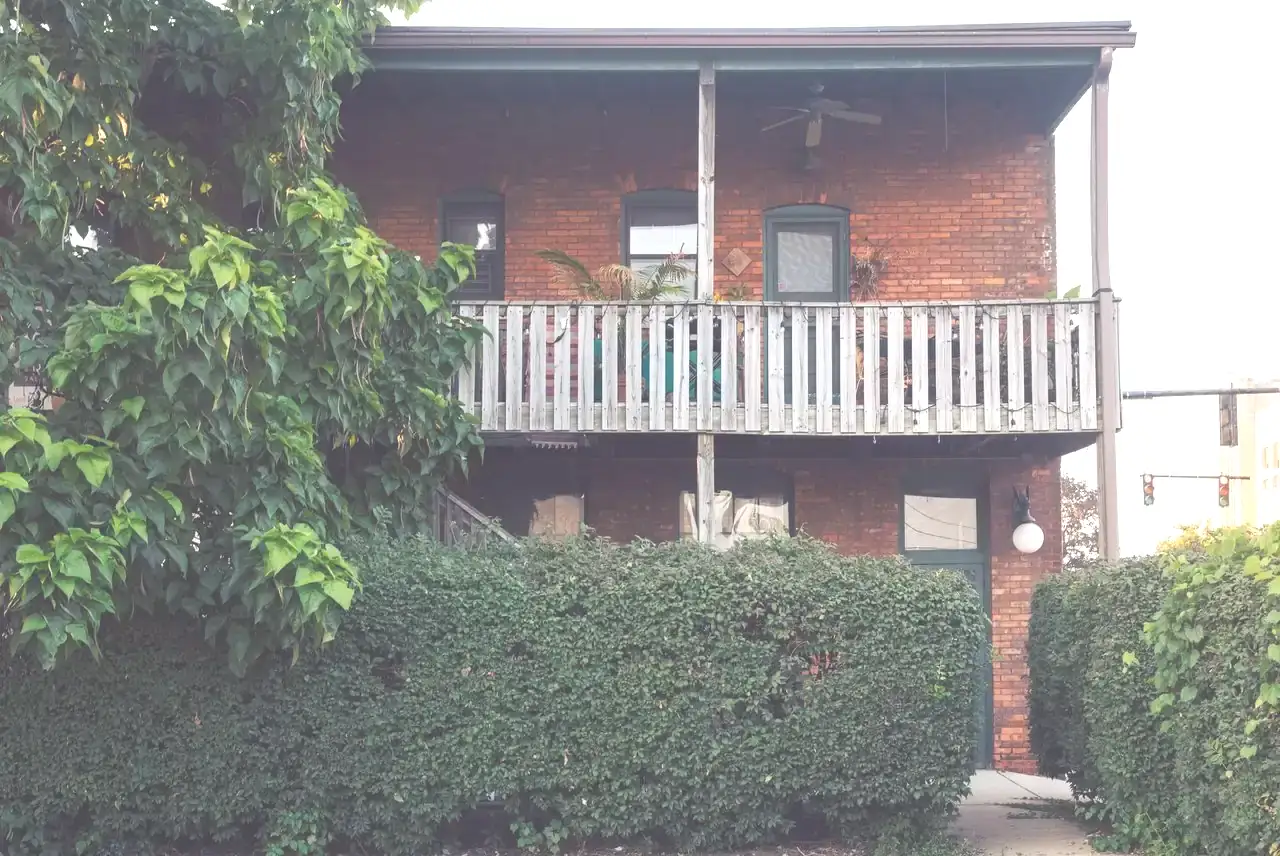
The provider usually starts with that unit, then treats the bedroom and living room with contact and residual products and dusts gaps in the walls. Return access gets arranged with the manager, and written notes go in the rental file. The inspection sets the number of visits, and the units on each side may need a look.
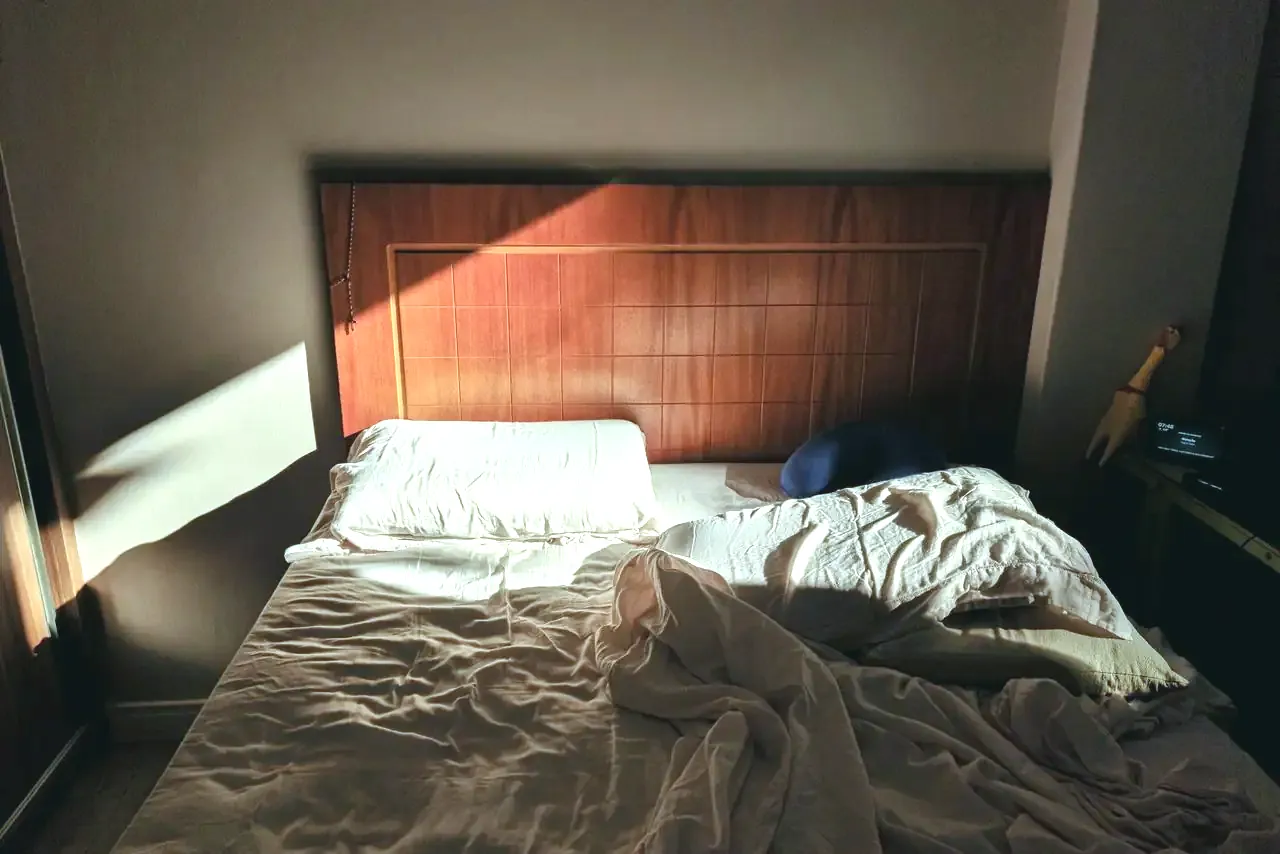
A provider would usually treat the guest bed, its frame and the nearby baseboard, then set cups under the legs. The other bedrooms get checked for spread. If only that one room shows activity, the plan can stay small.
Ask whether the sofa can be treated where it stands, with product and dust worked into seams, cushions and frame, and monitors placed around the room. Carrying it through the house can spread bugs. The provider can say whether treating or replacing it makes more sense.
Ask whether the provider can work after closing, what will be applied and how long treated rooms must stay empty. Keep the provider's notes with the business records and set the return visit for a quiet day. Staff go back into treated rooms only when the provider says so.
Dayton's housing shapes how chemical work is planned. The city has 136,579 residents and 70,335 housing units, and the median unit was built in 1951. About 64.7 percent of units went up before 1960 and 85.4 percent before 1980, so many rooms have had decades to open gaps along baseboards, trim and outlets, where a provider may put dust in wall voids along with sprays. More than half of occupied homes, 51.6 percent, are rented; 28.3 percent of units sit in buildings with two or more units and 19.1 percent in buildings with five or more. Ohio State University Extension notes bed bugs are often found in dwellings with high occupant turnover, such as apartments and dormitories, though any building can be infested, so in shared buildings providers often look at connected units as well as the one that called. Bed bugs are an indoor pest here in every month of the year. If you have been searching for pesticide application for bed bugs in Dayton, Ohio, call the referral line to be connected with an independent local provider. No city permit applies to bed bug treatment. Before work starts, ask for the applicator's Ohio pesticide license number and check it on the Ohio Department of Agriculture's Pesticide Applicator Search.
Walnut Hills is an official City of Dayton neighborhood in ZIP 45410. With so much of Dayton's housing built before 1960, providers often add dust in wall voids where a spray cannot reach.
College Hill, an official City of Dayton neighborhood, lies in 45406. If bugs arrive in luggage or on a used chair, a provider can usually treat that piece in place and then monitor it.
Downtown, Wright-Dunbar, Webster Station and Wolf Creek are official city neighborhoods in 45402. Where apartments share walls, a provider may check next door and treat more than one unit.
McPherson, North Riverdale and Santa Clara are official city neighborhoods at Dayton addresses in 45405. Providers treat houses and rentals there and check nearby rooms before widening a plan.
Across Dayton, 19.1 percent of housing units sit in buildings with five or more units. Shared walls and pipe openings give bugs a path, so ask whether attached units will be inspected too.
Older rooms tend to have more cracks, loose trim and baseboard gaps for bed bugs to hide in, so providers reach those spaces with dust and narrow-tip sprayers. Dayton's median home dates from 1951.
Ohio State University Extension notes bed bugs are often found where occupants change often, such as apartments and dormitories. Used sofas carry them too, so providers often treat pieces in place.
Outdoor temperatures swing through the year, but heated rooms stay comfortable, and bed bugs keep feeding wherever people sleep. A call in January is handled the same way as one in July.
A typical case: bites go on for several weeks before the renter calls. The provider finds live bugs in the mattress seams, the box spring and a nightstand, plus spotting along the wall shared with the next unit.
The provider may treat both units in one round with residual product and dust, then read the cups at the return visit. What the cups hold decides how many visits follow.
Later on: Keep the mattress and box spring zipped in their covers for as long as the provider advises. Check the cups every week at first and tell the provider about any catch right away.
A typical case: guests leave, and a few days later the homeowner spots bugs in the spare room. Signs show on the bed frame and baseboard, and the other bedrooms still need a close look.
Treatment can center on the spare room while the rest of the house is checked. If the return visit finds nothing elsewhere, the job stays small and so does the cost.
Later on: Vacuum seams and baseboards often and keep the bed a few inches off the wall. After the next guests leave, run a flashlight over the frame and mattress seams within a few days.
A typical case: a few days after a secondhand couch comes home, bugs appear along its seams. It sits in the living room, and a recliner nearby may be the next place they go.
Each piece can usually be handled where it sits, with residual product and dust in seams and frame and monitors set nearby. What the return visit finds decides whether more work is due.
Later on: Leave the monitors in place as long as the provider suggests. Before the next used piece comes inside, check it outdoors with a flashlight, paying attention to seams, staples and joints.
Bed bugs are not usually a sign of poor housekeeping, Ohio State University Extension notes, and cleaning alone will not end them. They need treatment and spread while you wait. Common situations in Dayton homes include these.
Fresh bites each morning may point to overnight feeding, but bites alone do not confirm bed bugs, because reactions vary and other insects bite too. Look for live bugs, shed skins or dark spots along seams. Once bed bugs are confirmed, each week of waiting lets more eggs hatch. A provider confirms the cause before treating, and residual product keeps working on new nymphs until the return visit.
In apartment buildings and duplexes, bed bugs can travel through wall voids and the gaps where pipes pass between units. Treat one apartment and leave the next one alone, and the bugs may come straight back. A provider commonly treats the affected unit and checks the ones above, below and beside it. Ask whether the owner or manager can arrange entry so connected units are handled in the same round.
A secondhand sofa, mattress or dresser is an easy way for bed bugs to reach a Dayton home, and Ohio State University Extension notes they are often found where occupants change often, such as apartments and dormitories. Once inside, they hide in seams, under cushions and in frame joints where a quick spray never lands. A provider can often treat the piece in place with product and dust and set monitors nearby. If the bed is involved, ask about zippered covers.
A spray from the store kills only the bugs it touches; eggs and bugs deep in cracks survive, and foggers never reach into seams. Weeks later the bites come back, sometimes in other rooms. Ohio State University Extension says infestations usually call for a licensed pest management professional, who places product where bugs live and returns to check. Say what you used.
Quoted by the provider once the home has been inspected
This site gives no prices. For bed bug chemical treatment in Dayton, OH, the provider names a cost only after inspecting, and it turns on the size of the home or unit, the number of rooms with activity, how long the infestation has been growing, whether heat or another method is added and how many return visits are planned. Before any product goes down, ask for the full plan and the total in writing, listing what the first visit and each later visit include. If one quote for chemical bed bug spray in Dayton is far below the others, ask what its return visits cost, because the job is often finished on those later trips.
Before agreeing, find out the number of visits included, the products planned and the terms if bugs come back. Do not toss the mattress before the inspection; many can be treated and then zipped into a cover.
One bedroom is a much smaller job than a whole house. Each extra room adds inspection time, product and labor, so a three-bedroom house usually costs more than a studio or one-bedroom apartment.
Light activity in a single bed is quicker work than bugs spread across chairs, closets and baseboards. Heavier cases usually need more product and another visit.
Piles of clothes, boxes and bags give bugs more places to hide and slow every step. Clearing closet floors and pulling beds off the wall before the visit can shorten the work and lower the total.
When neighboring apartments need treatment, entry and inspection take longer. Ask the provider to price the plan for the whole building so the owner sees the full scope before booking.
Heat for a room, zippered covers and extra monitors are often listed separately. Ask which extras the provider recommends, why each one is suggested and which are optional.
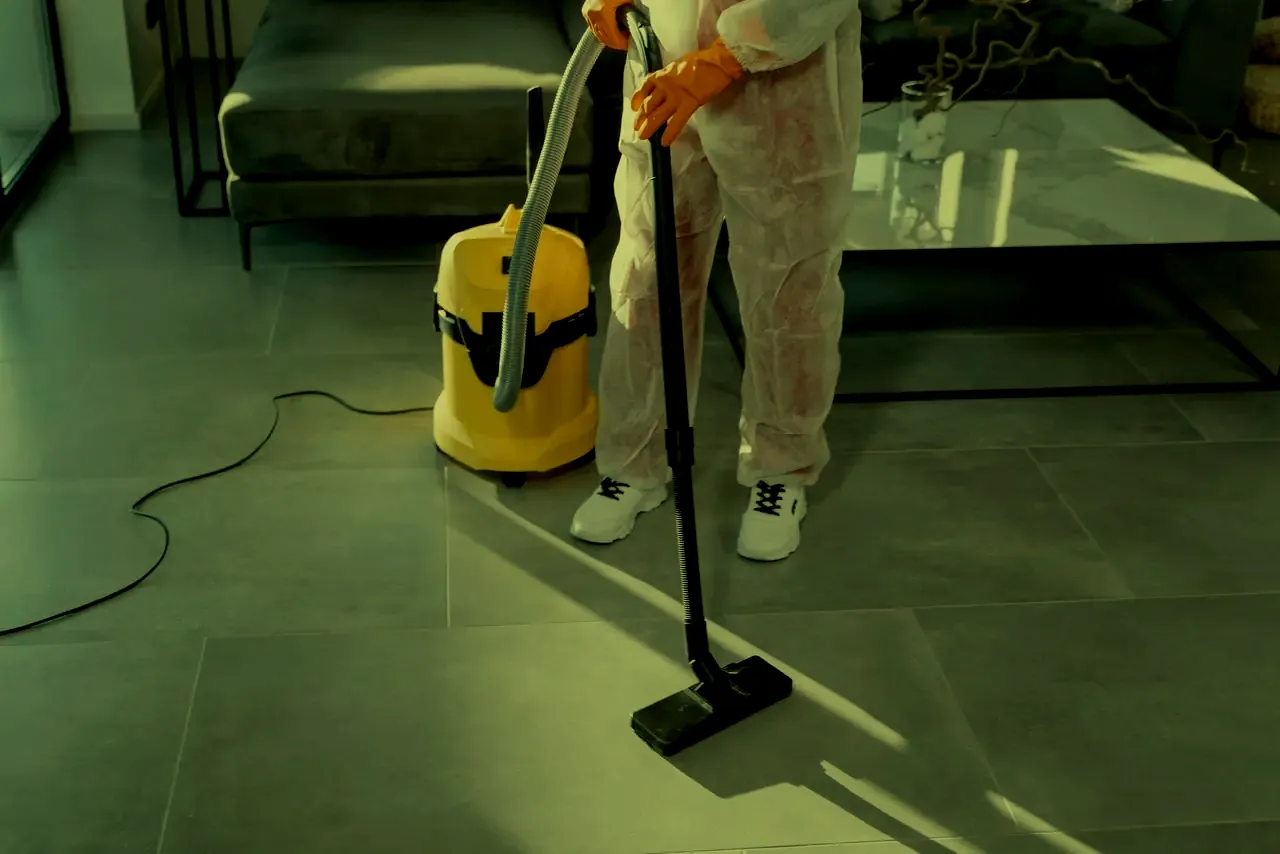
This site is a referral service. It does not do pest control and does not vouch for any provider. In Ohio, the Department of Agriculture's Pesticide Regulation program licenses commercial applicators, and anyone treating other people's property for hire needs a commercial license; bed bug work falls under category 10a, General pest control. Before work starts, ask for the applicator's Ohio pesticide license number and check it on the Ohio Department of Agriculture's Pesticide Applicator Search, a public list of licensed applicators. Ohio State University Extension recommends an integrated pest management approach. Ask which products are planned, where each will go and when people and pets can return.

A renting family finds small brown bugs in the joints of a child's bed frame and worries about product near the children. First, tell the landlord in writing. The provider can then check every bedroom, explain where each product goes and set a clear time before children and pets return. A return visit is normal, since eggs can outlast round one.
Tenants in two apartments of a small building report bites within a few weeks. Rather than treating one bedroom, the owner can ask the provider to inspect both units and their neighbors, hand out prep sheets and arrange entry. Ask for a dated report per unit and the return-visit dates.
A renter found bugs in a secondhand couch and wants it and the mattress on the curb today. Dragging them through shared halls can spread bugs, so report it to the landlord in writing, leave both where they are and wait for the inspection. Seams and frames can often be treated.
It can be, when a licensed applicator places product only in targeted cracks and seams and the household follows the provider's re-entry time. Ohio State University Extension says infestations usually call for a licensed pest management professional, and in Ohio the Department of Agriculture licenses commercial pesticide applicators. Ask which products are planned and where each goes. Mention infants, allergies or health conditions before the visit, and keep children and pets out until the provider says they can return.
Go back in only when the provider says so, because the wait depends on what was applied, how much and how long treated surfaces take to dry. Ask whether opening windows or running a fan afterward helps, and where any dust was placed behind cover plates. Have the return time written in the visit notes before the provider leaves, and keep children and pets out until then.
Not reliably. Many products work far better on adults and nymphs than on eggs, so a single visit is rarely the end of it. Residual product left in seams and cracks reaches nymphs as they hatch over the following days and weeks, and a return visit, often near the two-week mark, deals with survivors. Ask how your visits line up with the hatch.
It depends on the product, the surface and how often the spot is cleaned, so ask the provider for an answer that fits your home. The return visit is timed to the egg hatch. After that, keep interceptor cups under each bed leg so a comeback is caught early. Ohio State University Extension notes bed bugs are often found where occupants change often, so check the cups weekly after a move, a trip or a used furniture purchase.
Question not answered here? A local provider reached through the referral line can talk it through with you.
Ask the provider you reach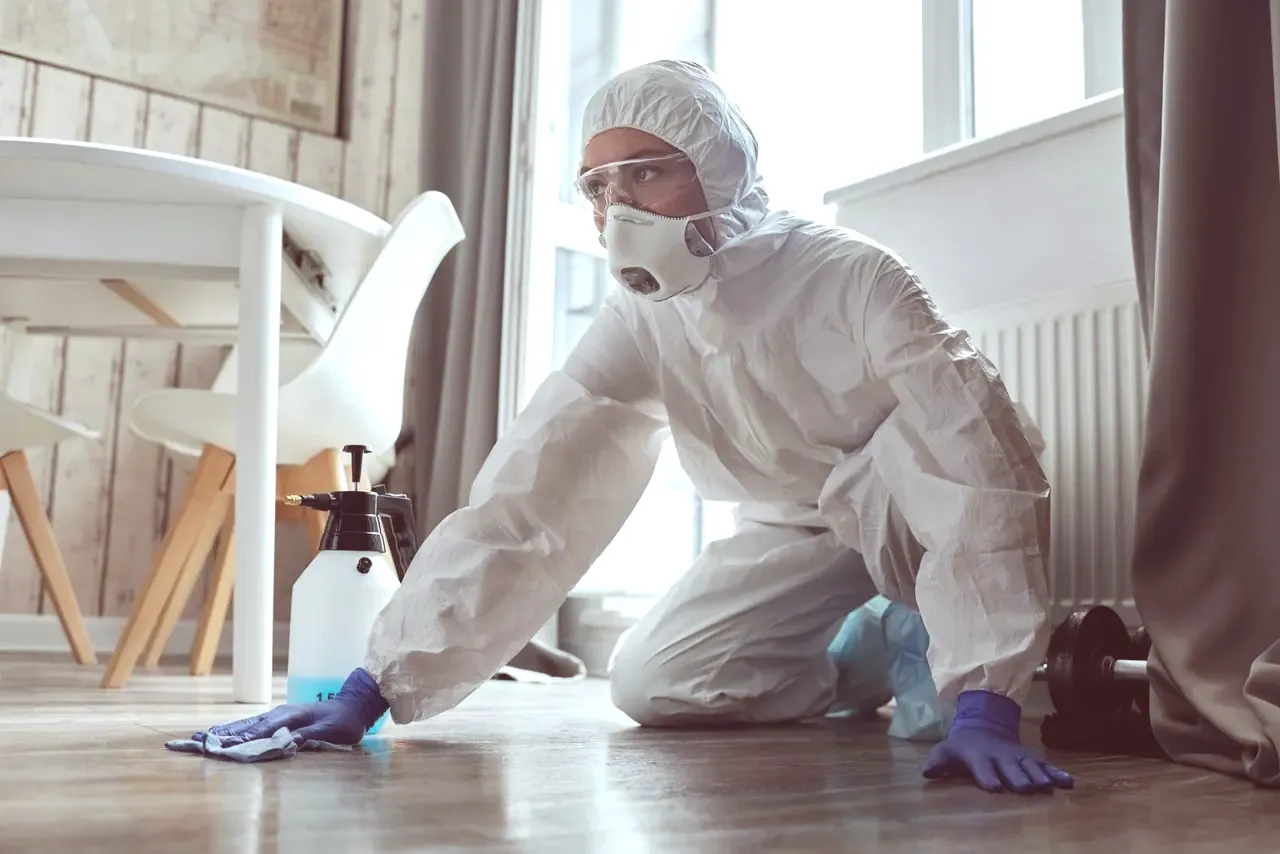
Before any product goes down, the provider should confirm the insects are bed bugs and map where they hide. That check decides which rooms get treated and which can be left alone, in Dayton houses and apartments alike. If you are not sure what is biting, start here.
See this service
Heat treatment warms a room or a whole apartment to a temperature that kills bed bugs at every stage, eggs included. It can suit a heavily infested room or furniture that should not be sprayed, and some plans heat certain rooms while others get product.
See this service
Shared buildings need their own plan. Providers usually treat the unit that reported bugs, check the ones above, below and beside it, and coordinate entry with the owner or manager so bugs do not move between neighbors. In Dayton, 51.6 percent of occupied homes are rented.
See this service
Many jobs are finally closed out at the return visit. The provider reads the cups, treats any spot still showing bugs and checks seams for young nymphs. Ask whether return visits are part of the chemical treatment price.
See this serviceDialing the number sends your call through a call-tracking service, which may record it, to an independent provider that works in Dayton. Lines are open 7 a.m. to 1 a.m. Eastern Time (8 a.m. to 2 a.m. during daylight saving time), and a call-back request form takes over at other times. Timing and price come from the provider.